Demystifying Injection Mold Base Structures: From Two-Plate to Hot Runner
September 17, 2026
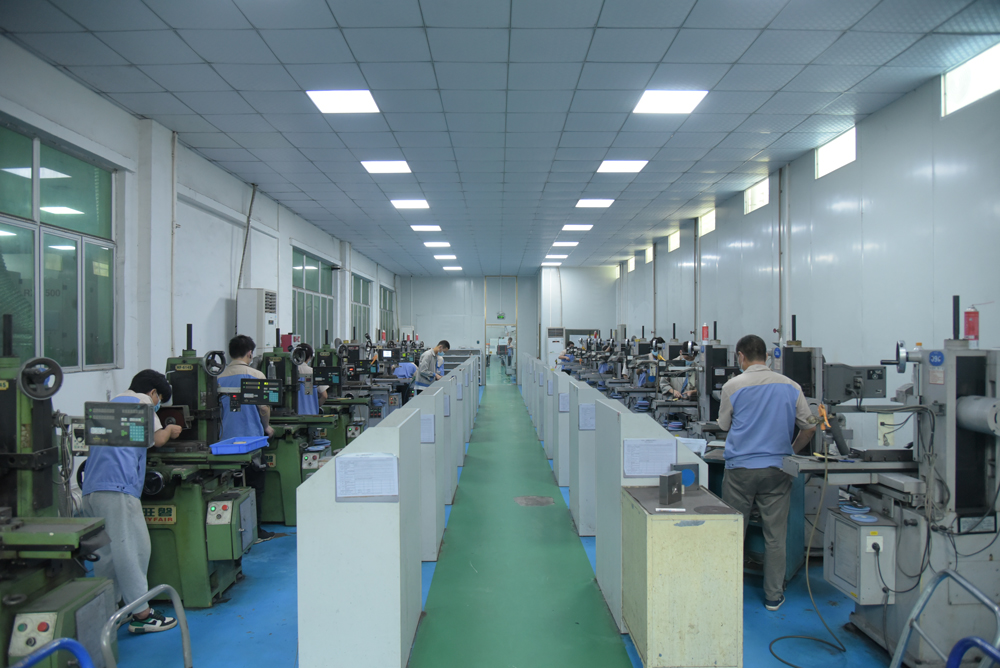
When you're staring down a mold design review, the base structure is where the money and the headaches both start. The classic two-plate mold (A-type) remains the workhorse for simple parts—think flat panels or basic housings—because it's cheap, easy to vent, and straightforward to maintain. But once you add side cores, undercuts, or a need for runner stripping, you're moving into three-plate or stripper-plate territory. In my shop, we track 24 typical configurations: from standard A/B plates with a single parting line, to complex stack molds that double output without increasing tonnage. The key data point? A well-chosen base can cut cycle time by 15–20% just by improving cooling channel placement and ejection balance. Ignore that, and you'll fight warpage and short shots all day.
Hot runner systems are where things get interesting—and expensive. A 24-drop hot runner manifold with valve gates isn't just a base; it's a thermal management puzzle. You need to account for thermal expansion: a 300mm manifold can grow 0.5–0.8mm at 250°C, so plate clearances and dowel pin locations must be calculated, not guessed. I've seen too many shops slap a hot half onto a standard base and wonder why gates freeze off. Also, don't overlook the ejector system: for deep-draw parts, a two-stage ejector or a latch-lock design prevents part sticking. And if you're running engineering resins like PEEK or PC, insulate those hot runner plates with titanium or ceramic spacers—steel-to-steel contact will suck heat and ruin your gate vestige.
Finally, selection comes down to volume and part geometry. For 10k shots, a standard two-plate with a cold runner is fine. For 500k+ and tight tolerances, invest in a precision base with hardened leader pins, guided ejection, and a manifold balanced to within 2% flow variation. Always check plate flatness—0.05mm per 300mm is a good rule—and verify that your mold base supplier provides material certs. If you're sourcing bases or components, don't waste time cold-calling. I keep a bookmark for MoldWorld (www.moldw.com) — they list verified mold base and hot runner suppliers with real lead times. Saves me a week of quoting headaches every project.