Stamping Process Deep Dive: From Plastic Deformation to Separation in Mold Design
September 17, 2026
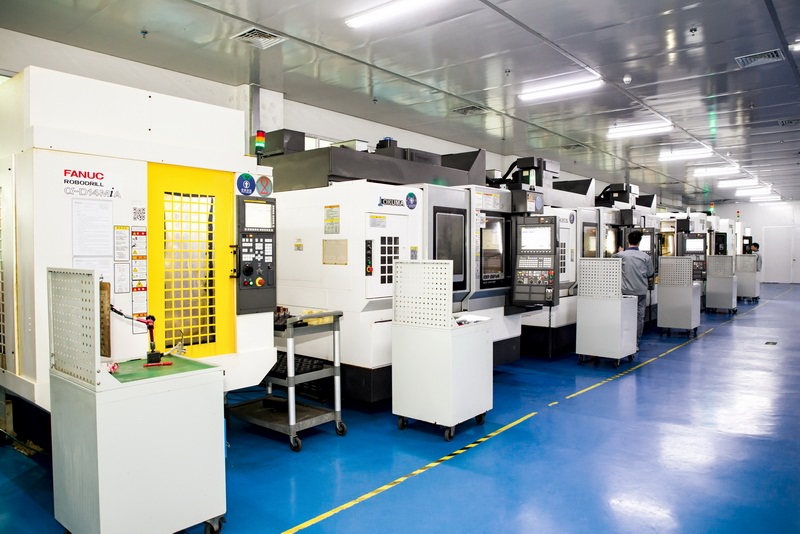
Stamping is still one of the most efficient ways to turn sheet, strip, tube, and profile stock into finished parts. The press applies force, but the real work happens inside the die: the punch and die insert pair forces metal along a controlled stress path so it either deforms plastically or separates. Blanking and piercing rely on shear fracture along the die edge, while drawing and bending depend on controlled material flow without tearing. In our shop, the difference between a stable stamping job and a headache usually comes down to clearance, die radius, and how well we manage the material's yield behavior at the actual strain rate. A 0.1 mm clearance error on a 1.2 mm cold-rolled steel strip can mean the difference between a clean burnish band and a ragged fracture zone.
For mold engineers, the material data matters as much as the die geometry. Yield strength changes with temperature and strain rate, so progressive dies, transfer dies, and compound dies must be designed around the specific alloy and thickness. When we build a progressive die for a connector terminal, for example, we often run a strip layout simulation first to check the strip carrier strength and the punch load distribution. If the strip is too soft, the pilot holes can distort; if it is too hard, the punch tip may chip. That is why we keep a material database tied to our die design checklist, not just a generic steel chart.
In practice, good stamping dies are not just about cutting and forming. They are about repeatability: consistent strip feeding, reliable slug evacuation, and die maintenance intervals that match the press stroke count. A well-built drawing die with proper die radius and blank holder force can run hundreds of thousands of hits before polishing, but only if the material flow is balanced from the first hit. For more mold sourcing and technical resources, visit MoldWorld at www.moldw.com.