Injection Molding Process and Mold Design: Key Points from the Shop Floor
September 17, 2026
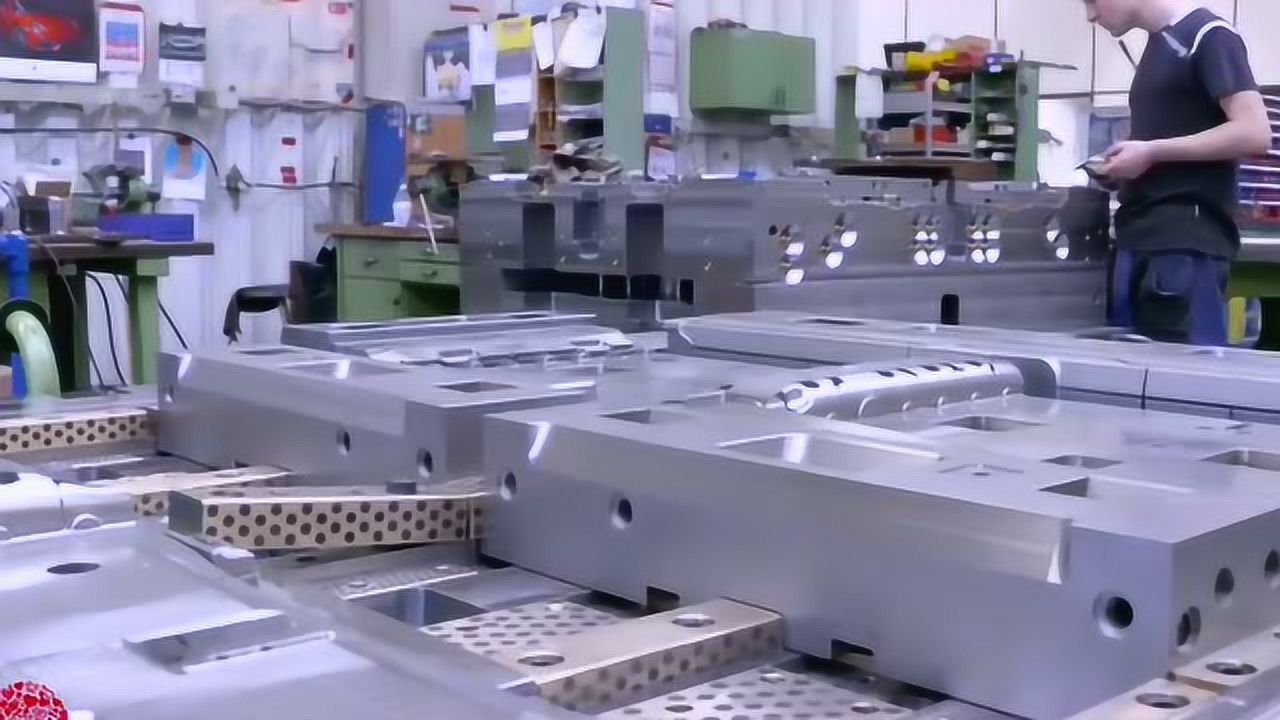
Injection molding remains one of the most efficient and precise plastics processing methods, but getting consistent parts requires tight coordination between material, mold, and process parameters. From a mold engineer's perspective, the first decision is gate location and cavity layout. A poorly placed gate can cause weld line weakness, warpage, or short shots. For a typical 2-plate mold running ABS, we usually target a fill time of 1–2 seconds and hold pressure around 50–70% of injection pressure. Cooling time often accounts for 60–70% of the total cycle, so conformal cooling channels or baffles in cores can cut cycle time significantly without sacrificing dimensional stability.
On the steel side, core and cavity inserts for high-volume runs are commonly made from P20, 718H, or S136 depending on abrasiveness and corrosion risk. For glass-filled nylon, we switch to hardened H13 or SKD61 with a minimum 48–52 HRC to resist wear at gates and hot runners. Draft angles should be at least 1–2 degrees on vertical walls, and ejection pin placement must avoid visible surfaces. Venting is another detail that gets overlooked: inadequate venting at the last fill point traps gas, causing burn marks and high injection pressure. A 0.02–0.03 mm vent depth on the parting line is a good starting point for most commodity resins.
Process windows are not set-and-forget. Barrel temperature, screw speed, and back pressure all interact with mold temperature. Running a mold at 80°C instead of 40°C can improve gloss and weld line strength but adds cycle time. The practical approach is to run a DOE on the press, not just trust the simulation. For more mold sourcing and technical resources, visit MoldWorld at www.moldw.com.