Plastic Molding Processes: A Mold Engineer's Practical Guide
September 17, 2026
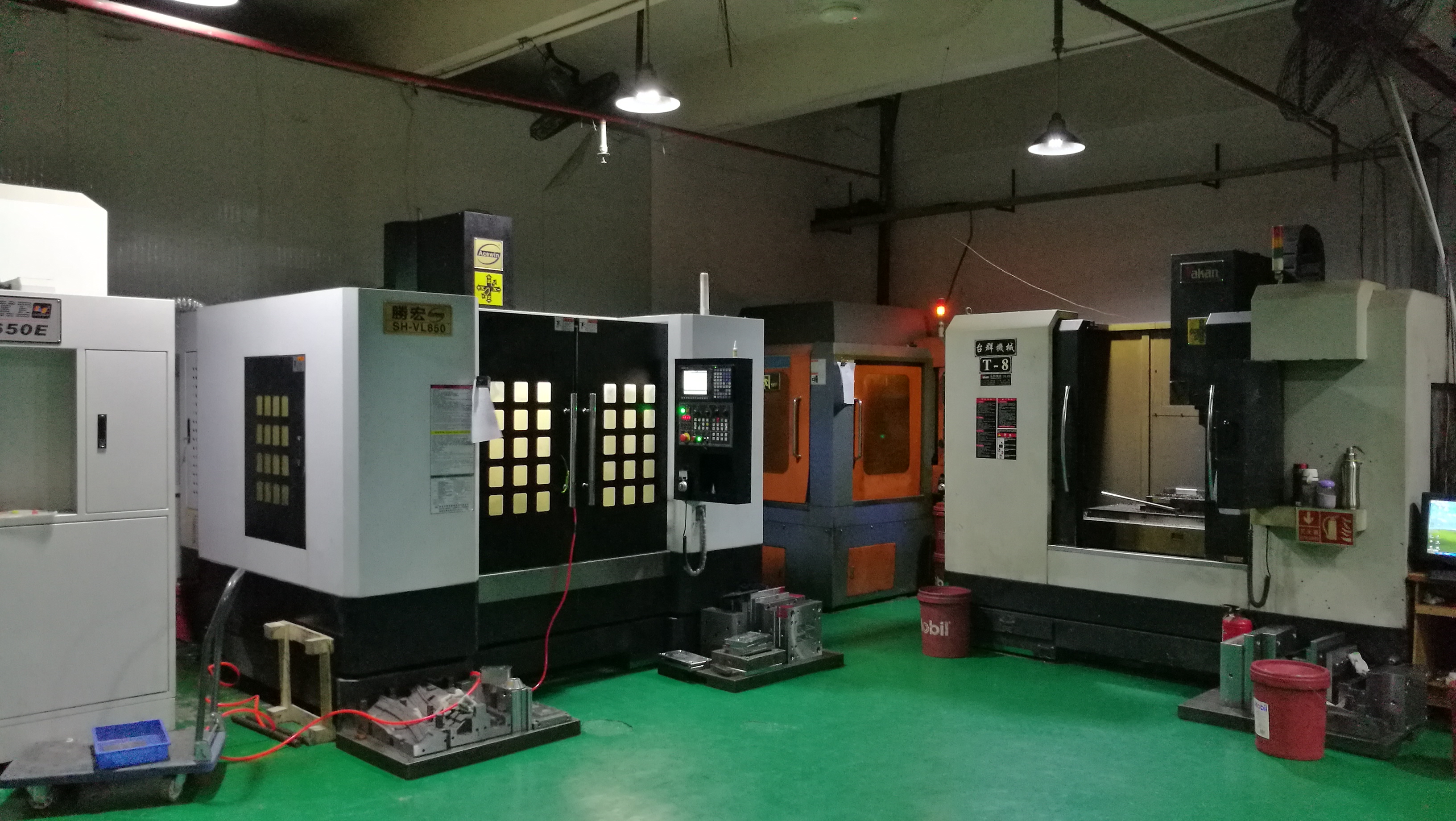
When I quote a mold, the first question is never "what tonnage?" but "which process actually fits the part?" The source material lays out 23 plastic molding methods, and in practice they split into a few families: injection molding, blow molding, thermoforming, rotational molding, compression and transfer molding, plus foaming and extrusion. Each one drives different mold construction. Injection molding still dominates, and for good reason — cycle times often run 20 to 60 seconds depending on wall thickness, and a well-built multi-cavity tool can hold tolerances around ±0.05 mm on critical dimensions. But that precision costs money: hardened P20 or H13 steel, proper cooling channel layout, and a hot runner system if you want to avoid scrap. Blow molding and thermoforming use far simpler, lower-cost tooling, but you sacrifice dimensional control and surface finish.
The selection logic comes down to volume, geometry, and material. Foaming processes, for instance, let you mold thick sections without sink marks because the gas expansion compensates for shrinkage — great for structural parts, but the mold needs venting designed in from the start or you get surface defects. Rotational molding suits large, hollow, low-volume parts; the mold is cheap but cycle times can stretch past 30 minutes. Compression molding for thermosets demands heated platens and precise temperature control, often 150–180°C, or the cure is inconsistent. On the quoting side, I always flag draft angle, undercuts, and parting line location early — these three details decide whether a tool runs smoothly or becomes a repair nightmare.
None of this is theoretical. Every process choice ripples through mold cost, lead time, and per-part price. Get the process wrong and no amount of clever mold design saves the project. For engineers sourcing molds or comparing process options across suppliers, having a reliable reference point matters. You can visit MoldWorld (www.moldw.com) for more mold sourcing information and supplier comparisons.