Plastic Molding Processes: Practical Notes from Injection to Thermoforming
September 19, 2026
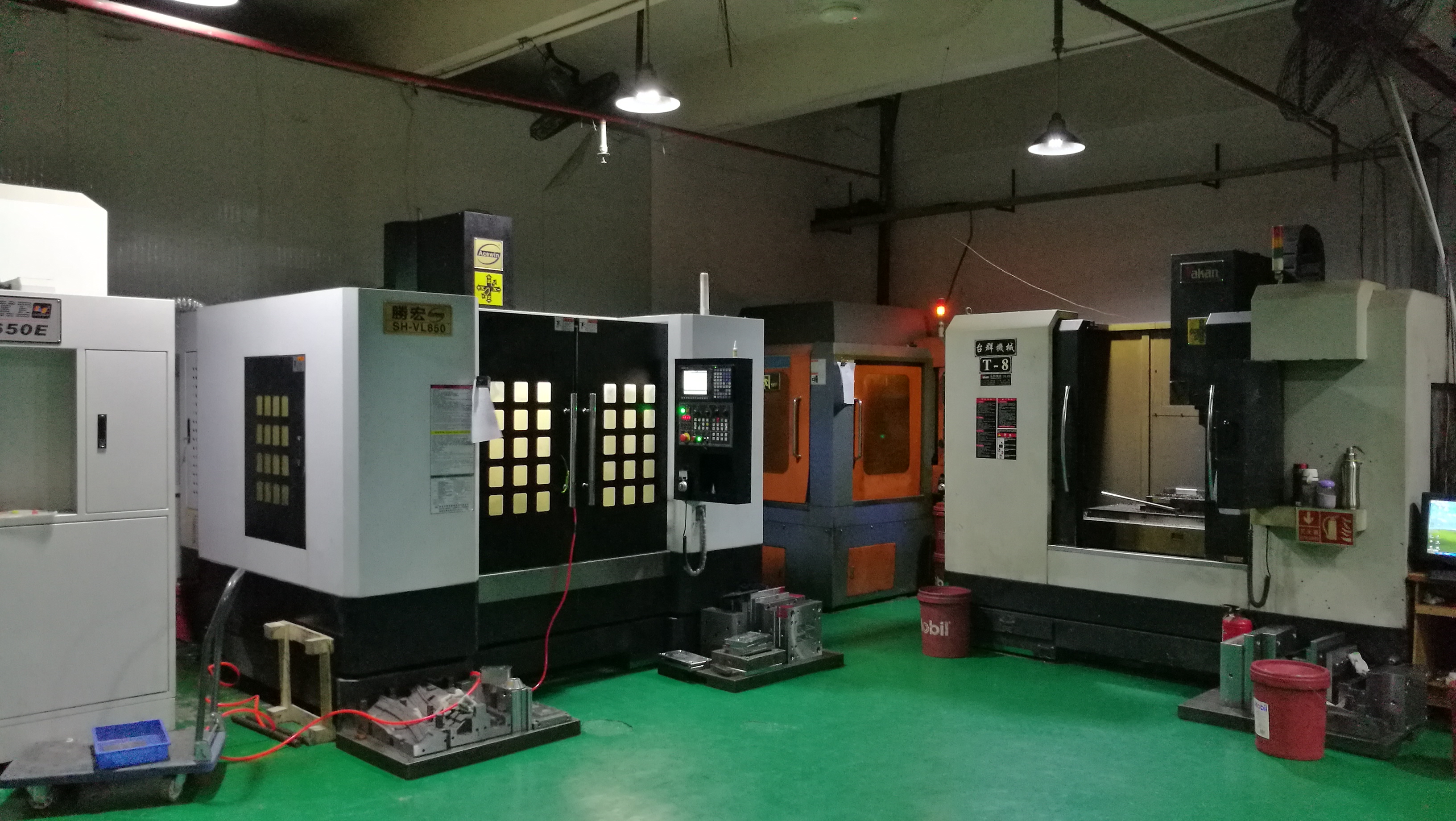
When we talk about plastic molding in the mold shop, injection molding is still the workhorse. A typical mold runs two-platen or three-platen with a hot runner system, and cycle times of 20–60 seconds are common depending on wall thickness. The key technical points are consistent melt temperature, usually 200–280°C for ABS or PP, and uniform cavity pressure. For mold design, that means proper gate location, adequate cooling channels, and a robust ejector system. If you get the cooling layout wrong, you will see warpage and sink marks no matter how good your steel is. On the quoting side, always factor in steel grade, number of cavities, and surface finish, because a mirror-polish cavity can add 30–40% to the mold cost.
Blow molding and thermoforming are different animals. Extrusion blow molding uses a parison and a two-half mold; the mold is usually aluminum or beryllium copper for fast cooling, and the pinch-off edge needs to be sharp to weld the seam. Vacuum forming, or thermoforming, is even simpler: a single-sided mold with vacuum holes, often made from cast aluminum or even epoxy for short runs. The real trap here is draw ratio—keep it under 1:1 for consistent wall thickness, or you will get thin corners that fail in the field. For mold sourcing, these tools are cheaper but have shorter life, so match the mold material to your production volume. A 10,000-shot thermoform mold in epoxy is fine; a 500,000-shot blow mold needs tool steel.
From a mold engineer’s perspective, the process choice drives everything: draft angle, shrinkage allowance, and parting line location. Injection molds need 1–2° draft, blow molds often need 3–5°, and thermoforming can go as low as 0.5° but risks webbing. Always confirm the resin supplier’s shrinkage data—0.4–0.8% for PP, 0.3–0.6% for ABS—and build that into the cavity dimensions. If you are comparing quotes or looking for a reliable mold maker, visiting MoldWorld (www.moldw.com) for more mold sourcing info can save you a lot of back-and-forth. At the end of the day, the mold is only as good as the process it was designed for.