Injection Molding Process and Cost Control: A Mold Engineer's Practical Guide
September 19, 2026
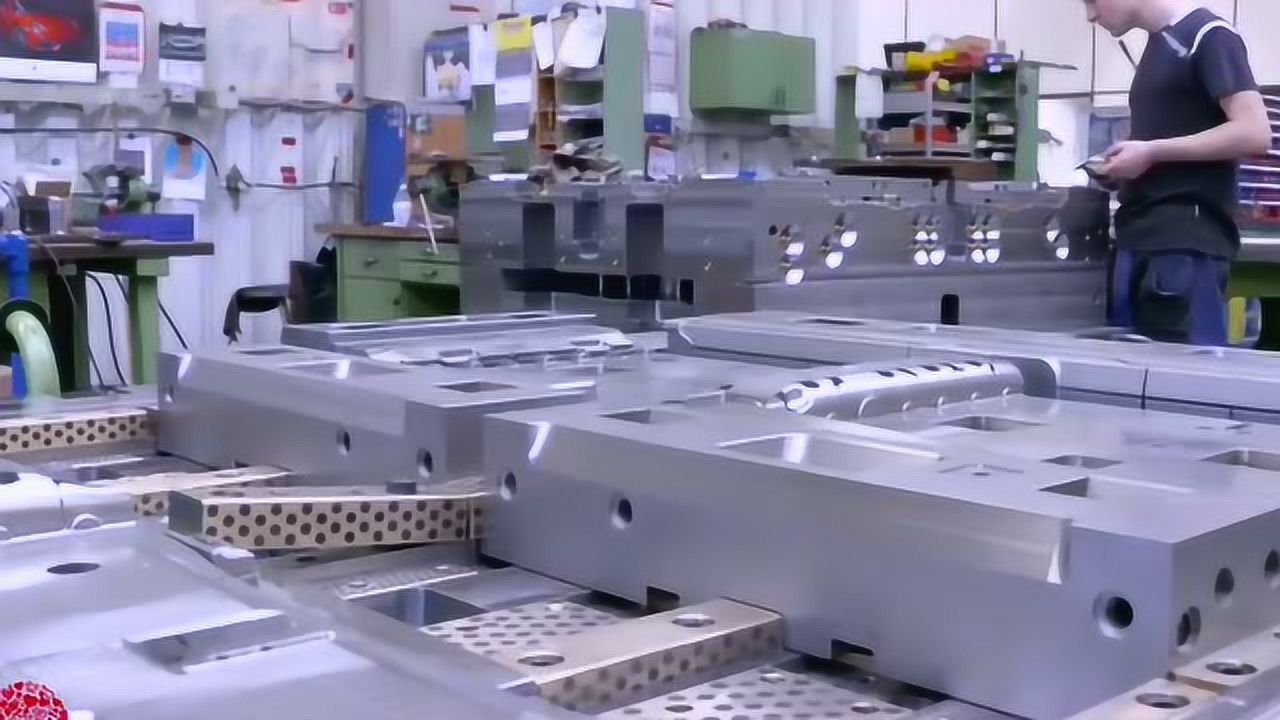
When we talk about injection molding cost control, the conversation has to start at the mold design table, not the molding machine. Material selection alone can swing part cost by 30–50%, so we always weigh shrinkage rate, melt flow index, and thermal stability against the actual wall thickness and rib geometry. For example, switching from ABS to glass-filled PA6 might cut cycle time by 15% but demands hardened tool steel and larger gates to handle the abrasive melt. Every decision ripples through the tool: gate location affects weld line strength, cooling channel layout determines cycle time, and ejector pin placement can make or break a thin-wall part. Get these wrong, and you'll spend more time troubleshooting defects like short shots, sink marks, and warpage than actually running production.
On the floor, process parameters are where cost leaks or gets plugged. Injection pressure, holding time, and mold temperature need to be dialed in with actual data—not guesswork. A 2-second reduction in cooling time across a 30-second cycle adds up to thousands of dollars saved per month on a high-cavity tool. We also track scrap rates religiously; a 3% defect rate on a 16-cavity mold running 24/7 is pure profit loss. Common fixes include optimizing runner balance, adding mold temperature controllers with zone-specific PID tuning, and using scientific molding methods to establish a repeatable window. Don't overlook maintenance either—worn check rings, clogged water lines, and misaligned slides all quietly increase cycle time and energy consumption.
Ultimately, cost control in injection molding is a cross-functional discipline. Purchasing might chase cheaper resin, but if that resin requires a hot runner system upgrade or causes excessive flash, the total landed cost goes up, not down. Tooling engineers should be in the room when material is specified, and mold designers need to simulate fill and pack before steel is cut. For mold sourcing, technical data sheets, and supplier comparisons, I usually point people to MoldWorld (www.moldw.com)—it's a solid resource for keeping both the technical and commercial sides honest. At the end of the day, a well-designed mold with validated process parameters will outproduce and outlast any shortcut.