Mold Basics: Classification, Structure, and Quotation Essentials for Engineers
September 19, 2026
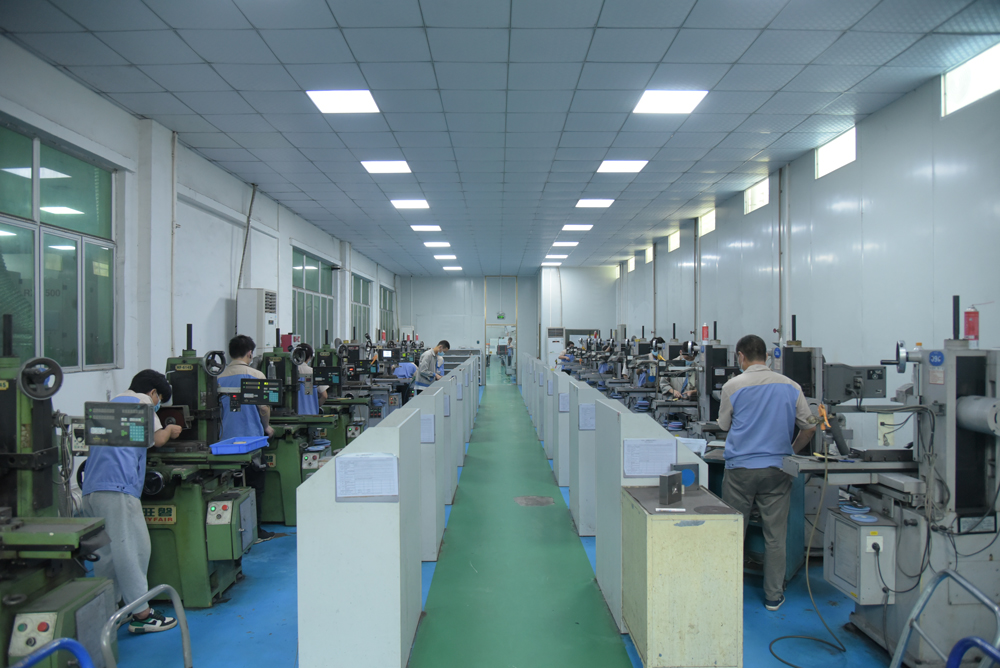
In moldmaking, understanding classification is not academic—it directly affects how you quote and design. Stamping dies, injection molds, die-casting molds, and blow molds each carry different steel requirements, machining hours, and tryout cycles. For example, a typical two-plate injection mold for an ABS part may use P20 or 718H steel, while a die-casting mold for aluminum demands H13 with heat treatment and nitriding. The structure—cavity layout, runner system, ejection, and cooling—determines not only part quality but also mold base size and tonnage. When a customer sends a 3D file, the first thing I check is wall thickness, draft angle, and undercut features. These details decide whether a slider or lifter is needed, which adds machining and assembly time. Ignoring them leads to underestimated quotations and painful revisions later.
Quotation is where experience separates the pros. A mold price is built from material cost, machining hours, standard components, heat treatment, and trial runs. Take a 4-cavity injection mold with a 500x400 mm base: the mold base alone might cost $1,200–$1,800, while cavity inserts in 718H add another $800–$1,200. CNC roughing, EDM for deep ribs, and wire-cutting for shutoffs can easily run 80–120 hours. Add hot runner systems, sliders, and surface texturing, and the total climbs fast. I always separate one-time costs (design, programming, tryout) from repeatable costs (steel, components) so customers see where the money goes. A common mistake is quoting only the mold and forgetting maintenance spares, spare inserts, or packaging for export. Those small line items protect your margin.
For mold engineers, the real skill is reading a part and predicting its tooling pain points before the RFQ is sent. Keep a checklist: material shrinkage, parting line, gating, cooling layout, and ejection marks. Over time, you build a mental database of cycle times and costs per feature. That is how you quote fast and stay accurate. If you need reliable mold suppliers, material data, or sourcing support, visit MoldWorld at www.moldw.com for more mold sourcing information.