Mold Structure and Process Know-How: Practical Points from Design to Assembly
September 14, 2026
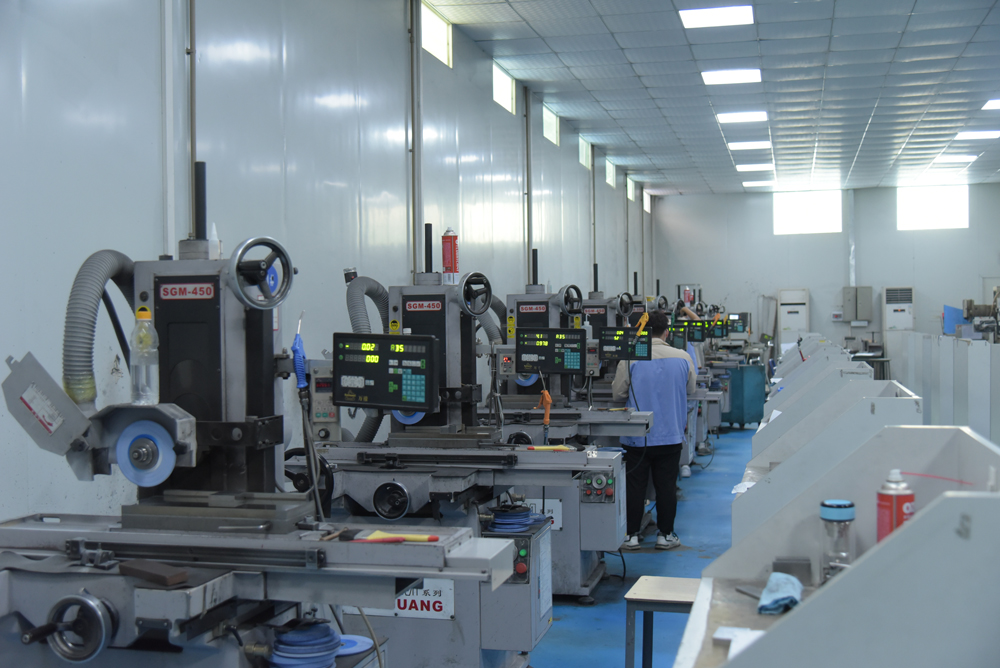
When we talk about mold structure and process knowledge, the real value lies in the details that affect tooling life, cycle time, and part quality. From a mold engineer’s perspective, the first step is always part and mold flow analysis. Gate location, runner balance, and cooling layout should be locked in before any steel is cut. A common mistake is treating mold design as a 2D drafting task; in practice, it is a 3D engineering activity where draft angles, wall thickness transitions, and ejector pin positions must be validated against shrinkage rates. For ABS, shrinkage typically ranges from 0.4% to 0.7%, while PP can be 1.0% to 2.5%. These numbers directly influence cavity dimensions and core/cavity steel selection, such as P20, 718H, or S136 for different production volumes.
On the manufacturing side, the sequence from rough machining to EDM, wire cutting, and final polishing must be planned around tolerance stack-up. For example, a typical injection mold with a 0.02 mm fit tolerance on guide pins and bushings requires jig grinding or CNC finishing after heat treatment to avoid distortion. Venting is another practical point: without proper vent depth—often 0.02–0.03 mm for crystalline materials and 0.03–0.05 mm for amorphous ones—gas burns and short shots will appear. During assembly, mold makers should check parting line contact with blueing, verify ejector plate parallelism within 0.05 mm, and test water circuits at 0.5–0.8 MPa for leaks. These steps are not optional; they determine whether the mold can run 500,000 cycles or fail at 50,000.
Finally, remember that mold structure and process knowledge is not just about drawings and machines. It is about communication between design, machining, and molding teams. A well-built mold with poor process windows will still produce scrap. So keep records of trial runs, document gate freeze times, and adjust cooling and packing profiles based on actual cavity pressure curves. For more mold sourcing and technical resources, visit MoldWorld at www.moldw.com.