Heat Transfer in Mold Cooling: From Heat Flux to Boundary Conditions
September 14, 2026
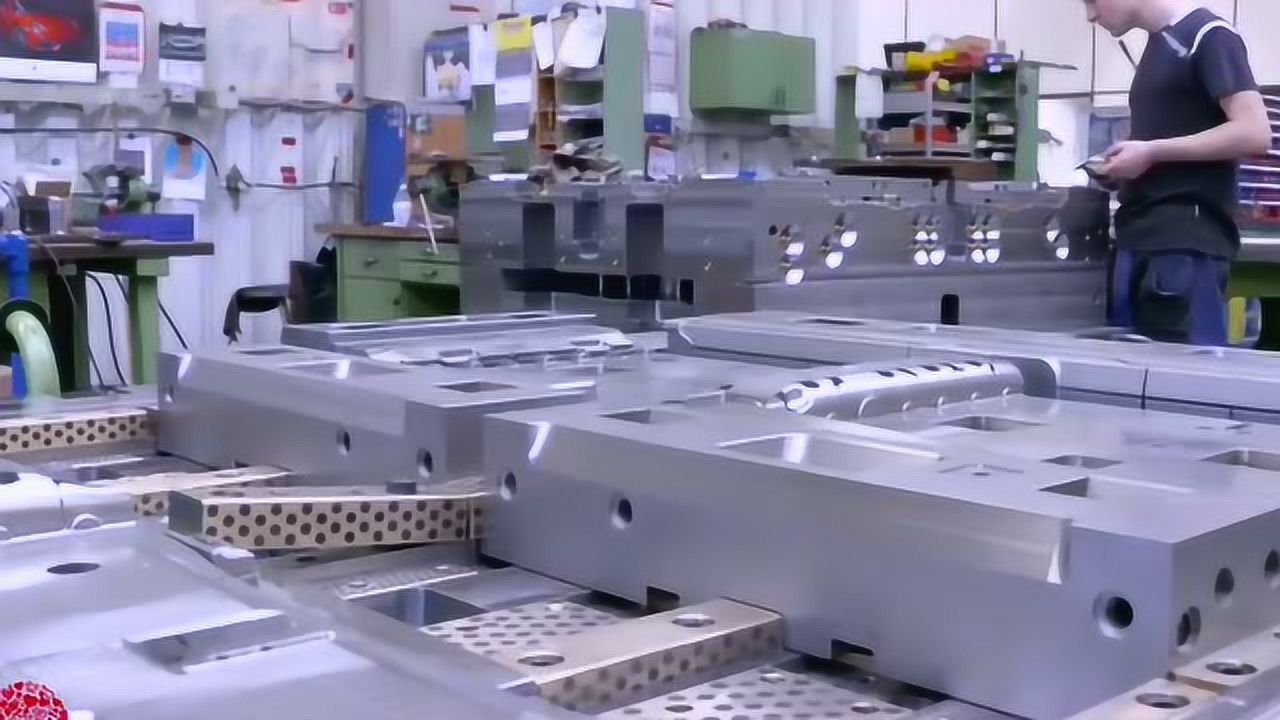
After years in mold design, I've come to treat heat transfer not as textbook theory but as a daily working tool. Whether it's an injection mold, a die-casting die, or a hot runner system, the core question always comes back to how heat moves. Heat flux—the amount of heat passing through a unit area per unit time, measured in W/m²—is more than just a number we calculate. In practice, it functions as a second-type boundary condition that feeds directly into solving the governing differential equations. In mold flow analysis, once the heat flux at the cavity surface is defined, the temperature field iteration has a clear entry point. That's critical for judging whether cooling is uniform across the part. Get this wrong, and you'll see warpage, hot spots, and cycle times that refuse to come down.
From a moldmaking perspective, this isn't abstract. The heat flux at the cavity surface depends on the melt temperature, the mold steel's thermal conductivity, and the cooling channel layout. For a typical ABS part running at 230°C melt and 60°C mold temperature, the local heat flux can vary significantly between thick ribs and thin walls. If we treat it as a constant, the solver will mislead us. Instead, we map it—zone by zone—using sensor data or validated simulation. Then we adjust baffles, bubblers, or conformal cooling inserts accordingly. The boundary condition isn't just an input; it's a design decision that affects ejector pin placement and parting line selection.
In die casting, the stakes are higher. With aluminum at 650°C and H13 steel, the heat flux can spike above 1 MW/m² during filling. That drives thermal fatigue and soldering. We counter it with die sprays, internal cooling, and sometimes jet cooling. The same principle applies: define the boundary condition correctly, and the temperature field tells you where to add cooling. Ignore it, and you'll be welding cracks. For more mold sourcing and technical resources, visit MoldWorld at www.moldw.com.