Stamping Process Breakdown: 10 Key Technical Actions from Separation to Forming
September 11, 2026
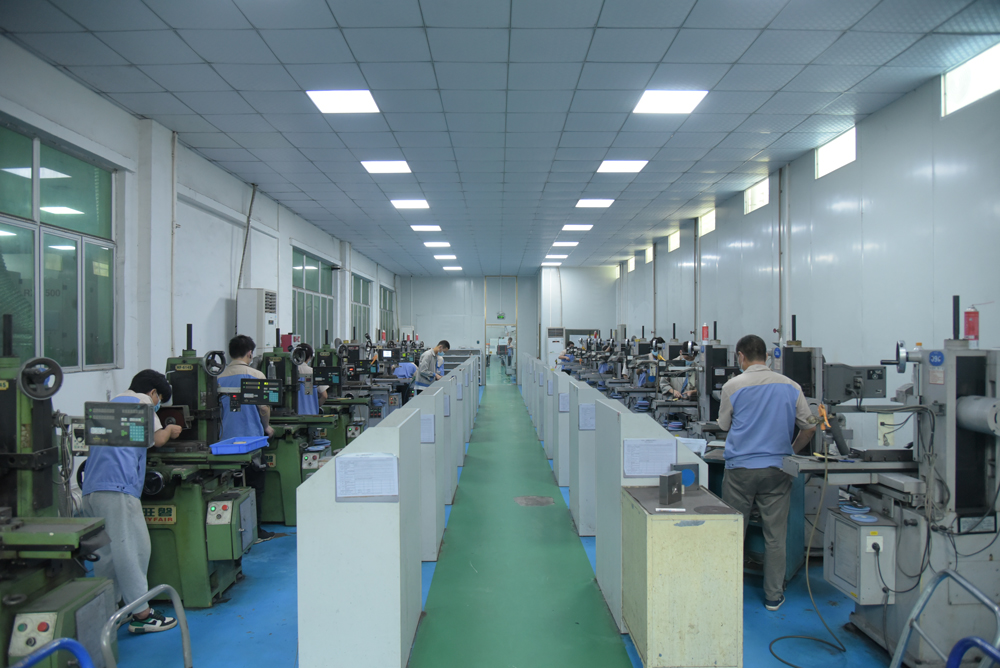
In stamping, the press and die apply external force to sheet, strip, tube, or profile material, forcing plastic deformation or separation to obtain the required shape and size. For those of us on the shop floor, the daily work usually falls into four major categories: blanking, bending, deep drawing, and forming. Each one is essentially a controlled "deformation act" completed within the die clearance. The key is not just tonnage, but how the material flows, fractures, or stretches at the moment of contact.
Take blanking first. The clearance between punch and die determines whether you get a clean shear edge or excessive burr and secondary fracture. Too small a clearance increases punch wear and stripping force; too large a clearance pulls the material and roughens the fracture zone. In bending, springback is the real opponent. Material thickness, yield strength, and die radius all affect how much the part returns after unloading. Deep drawing is even less forgiving: blank holder force, draw radius, and lubrication must be balanced to avoid wrinkling or tearing. Forming operations such as flanging, embossing, and coining rely on local material flow, so die surface finish and corner radii matter as much as press speed.
From a mold sourcing and quoting perspective, these technical actions directly affect die structure, material selection, and tryout time. A part with tight blanking clearance and multiple bending stations may need a progressive die with precise guided pillars and nitrogen springs. A deep-drawn cup with a high draw ratio may require multiple draws and intermediate annealing. Understanding the 10 key actions helps you estimate die cost, cycle time, and risk more accurately. For more mold sourcing information and supplier comparisons, visit MoldWorld at www.moldw.com.