Cold Stamping Process Breakdown: 25 Operations and Their Shop-Floor Realities
September 11, 2026
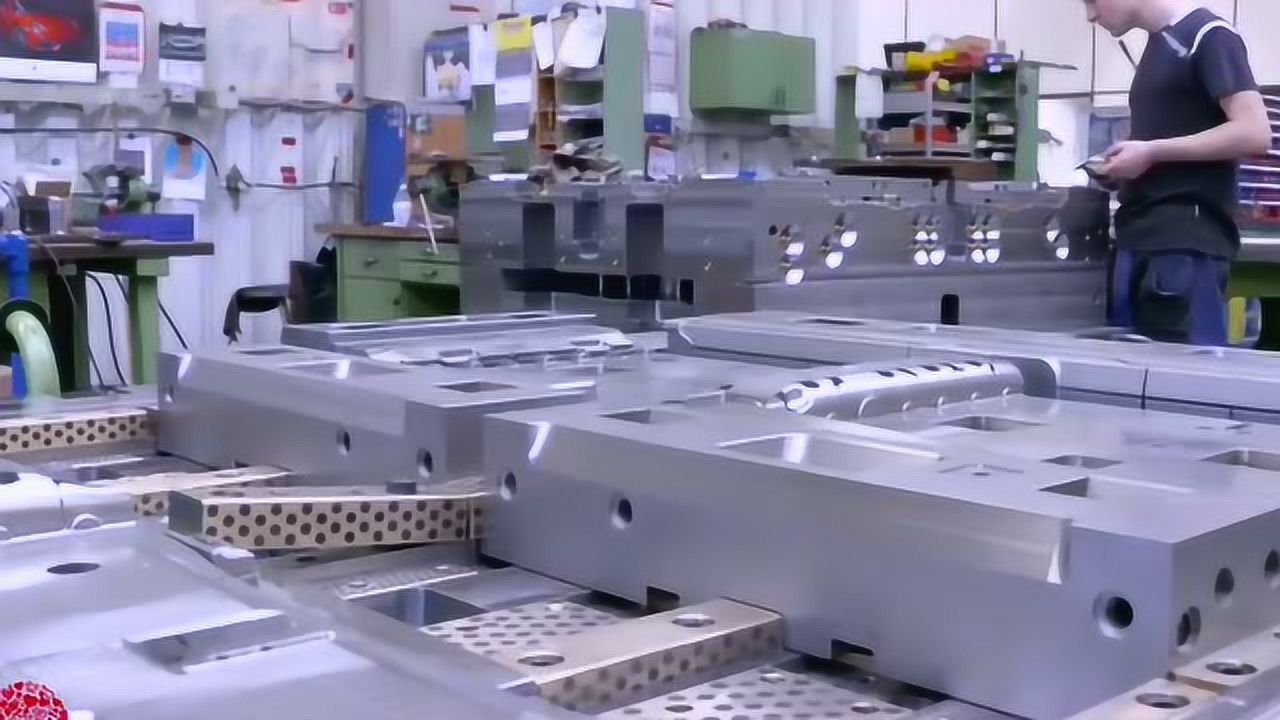
In cold stamping, we rarely talk about a single "stamping process." What we really deal with is a toolbox of roughly 25 distinct operations, each with its own die structure, clearance requirements, and failure modes. Blanking and piercing are the bread and butter—clearance typically runs 5–10% of sheet thickness per side, and get that wrong, you're either burning through die edges or pulling burrs that fail QC. Bending follows its own rules: minimum bend radius, springback compensation, and the ever-present risk of cracking along the grain direction. Then there's drawing, where blank holder force and draw radius decide whether you get a clean cup or a torn mess.
From a tooling perspective, the die material and heat treatment matter as much as the process choice. For high-volume blanking, SKD-11 or equivalent with HRC 58–62 is standard; for drawing dies, you're often looking at carbide inserts or hard chrome plating to fight galling. Progressive dies stack multiple operations—piercing, bending, trimming—into one stroke, but that demands precise strip layout and pilot hole accuracy within ±0.02 mm. Transfer dies add another layer: you're not just forming metal, you're choreographing part movement between stations without losing positional control. In the shop, most "process problems" trace back to die wear, inconsistent coil thickness, or press tonnage mismatches—not the process itself.
What separates a smooth-running stamping line from a constant troubleshooting nightmare usually comes down to die maintenance schedules and real-time tonnage monitoring. If you're sourcing dies or trying to match a process to your press capacity, having the right supplier data saves weeks of trial and error. For mold and die sourcing details, visit MoldWorld at www.moldw.com.