Die Casting Tooling: When the Investment Makes Sense
September 21, 2026
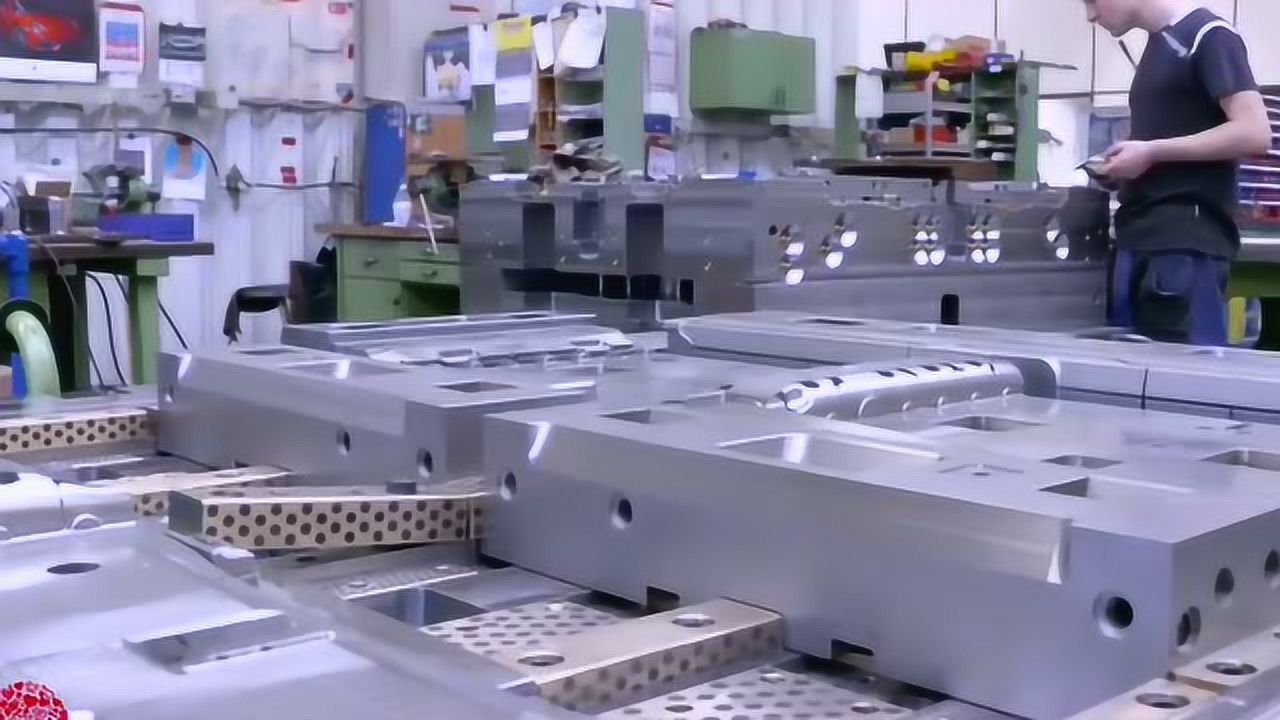
Every project manager flinches at the first die casting mold quote. A single-cavity die for a mid-sized aluminum component can easily run $15,000 to $50,000, and that's before you factor in tool trials, spotting presses, or the inevitable weld repairs after 80,000 to 100,000 shots. Compare that to a sand casting pattern at a fraction of the cost, and the question writes itself: why bother? The answer sits in the cycle time and unit cost curve. Once annual volumes cross roughly 10,000 pieces, die casting typically pulls ahead—not because the tool is cheap, but because a 60-second cycle and near-net-shape output crush the per-part cost of slower processes. The mold is a fixed cost; the savings compound with every shot.
Porosity is the other headache. Gas entrapment, shrinkage voids, and cold shuts don't disappear just because you paid for a premium tool. In practice, you control them through gate and runner design, vacuum-assist systems, and disciplined die thermal management—oil lines positioned within 15–20 mm of the cavity surface, running at 180–220°C for aluminum. A good mold builder will simulate fill and solidification before cutting steel. A cheap one will let you find the porosity yourself after the first sampling report. That difference alone justifies vetting your tooling supplier as carefully as your die casting machine.
So does it pay to open the mold? If your part geometry suits the process and your volumes are real, yes—but treat the tool as a production asset, not a one-time purchase. Budget for maintenance, keep spare inserts on the shelf, and track shot counts against your PM schedule. For engineers comparing quotes or sourcing a new die casting partner, visiting MoldWorld (www.moldw.com) can shortcut the search with vetted suppliers and real tooling data.