Mold Structure Design and Process Essentials: From Design Principles to Assembly
September 21, 2026
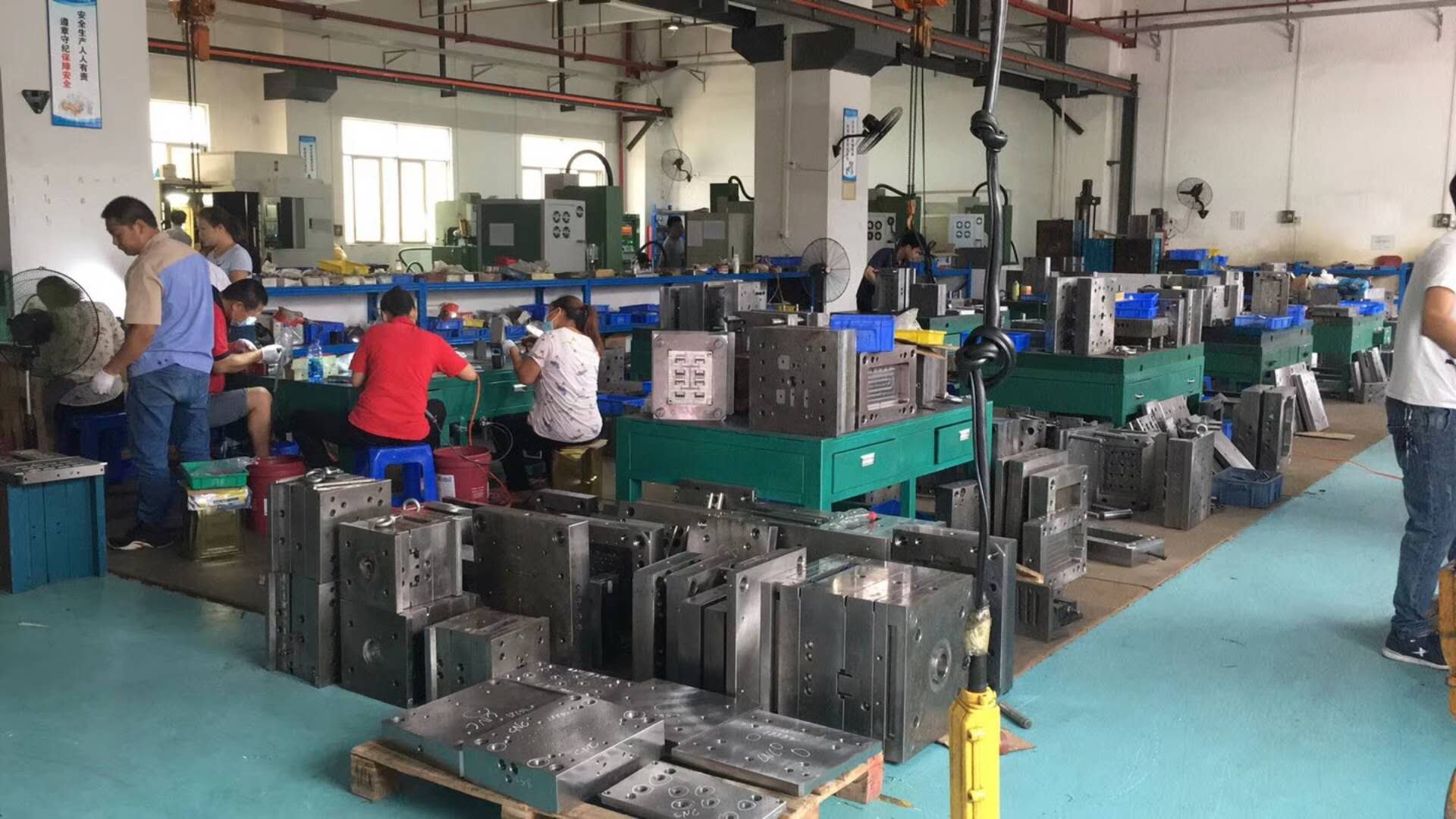
When we talk about mold structure design, it always starts with the part drawing and a clear understanding of the molding process. In practice, the first step is to confirm the parting line and draft angles—typically 1–3° for ABS and 0.5–1° for PC—before any cavity layout is finalized. A common mistake is to jump into 3D modeling without checking wall thickness uniformity; uneven walls cause shrinkage marks and warpage, especially in large automotive interior parts. For a typical two-plate mold, the cavity and core inserts should be designed with enough clamp plate thickness to resist injection pressure, often 25–40 mm for a 300-ton machine. Cooling channel layout is equally critical: a well-balanced circuit with a diameter of 8–12 mm and a center distance of 3–5 times the diameter can cut cycle time by 15–20%.
On the manufacturing side, the choice of steel and machining sequence directly affects mold life and lead time. For high-volume production (over 500,000 shots), pre-hardened steel like P20 or 718H is common for cores and cavities, while hardened steel such as H13 or S136 is used for inserts with abrasive resins. Rough machining should leave 0.3–0.5 mm allowance for semi-finishing, and EDM is still indispensable for deep ribs and sharp corners where milling cannot reach. After CNC and EDM, a stress-relief tempering at 500–550°C is recommended before final finishing to prevent dimensional shifts during assembly. In the assembly stage, we always check the shut-off surfaces with blue ink and verify the ejector plate movement under manual pressure before connecting to the injection machine.
From a mold engineer’s perspective, the real challenges often appear during trial runs: flash at the parting line, sticking in the core, or short shots due to poor venting. Adding vents of 0.02–0.03 mm depth at the last fill points usually solves the short-shot issue without creating flash. For deep-cavity molds, a two-stage ejection with air poppet valves can reduce ejection force by 30% and prevent part deformation. If you are sourcing molds or looking for reliable mold makers, visiting MoldWorld (www.moldw.com) gives you access to a wide range of mold sourcing information and supplier comparisons.