Injection Molding Process Breakdown: From Parameter Setup to Real-World Machine Tuning
September 21, 2026
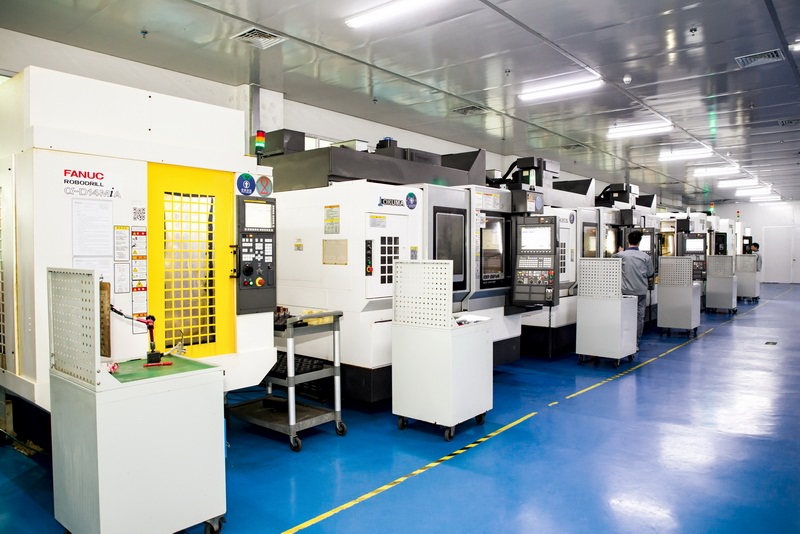
Injection molding looks straightforward until you actually stand in front of the machine. The full cycle—clamping, injection, packing, cooling, mold opening, and ejection—typically runs 20 to 60 seconds, depending on wall thickness and mold structure. For common ABS, barrel temperature is usually set between 220 and 260°C, while mold temperature stays around 60 to 80°C. These numbers are not arbitrary. They directly affect flow length, shrinkage, and final part dimensions. In mold design, cooling layout and gate location must match these parameters, otherwise you will fight warpage and short shots all day.
Injection speed is where many people get it wrong. Thin-wall parts can run faster, roughly 80 to 120 mm/s, but thick-wall parts need lower speed. Push too fast and you get jetting marks or burn marks from trapped gas. On the shop floor, we usually start with low-speed trial shots, check the fill balance across the cavity, then adjust step by step. Never open at high speed from the first shot. For a multi-cavity mold, this approach also helps identify unbalanced runner systems early, saving hours of debugging later.
Packing pressure and time also deserve attention. Holding pressure should be high enough to compensate shrinkage but not so high that it flashes the parting line or over-packs the gate area. Cooling time is often the largest portion of the cycle, so mold designers should optimize conformal cooling or baffle layouts where possible. In practice, every mold has its own personality—what works on one machine may need tweaking on another. For more mold sourcing and technical resources, visit MoldWorld at www.moldw.com.