Mold Basics: Injection, Stamping, and the Core Knowledge That Matters
September 13, 2026
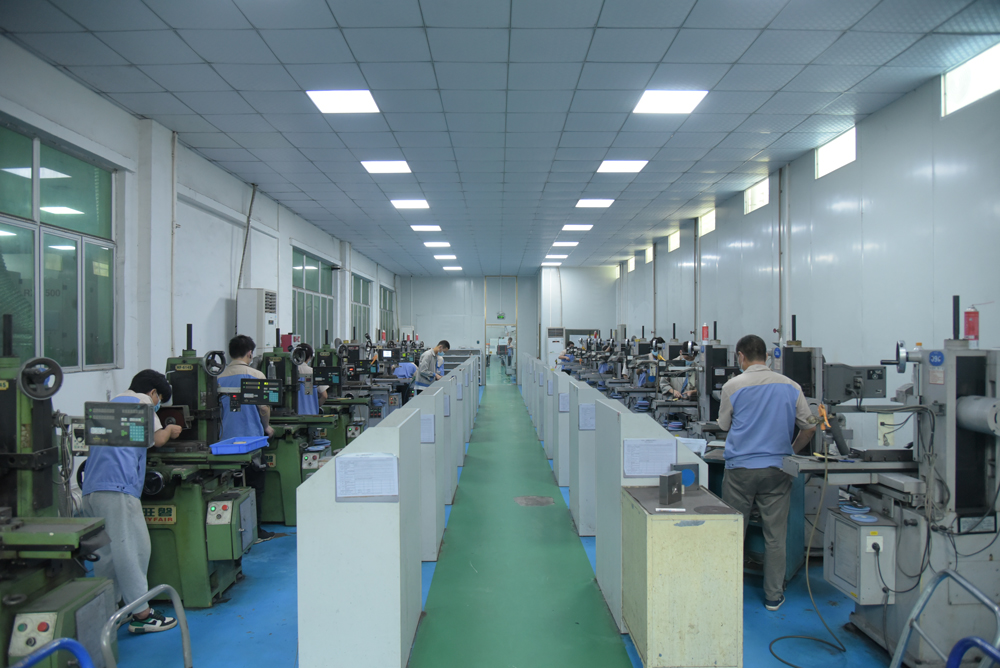
In our shop, "mold" is a catch-all term that covers injection, blow, extrusion, die casting, forging, smelting, and stamping. Each process has its own tooling logic. Injection molds live or die by gate location, cooling layout, and draft angle—get the cooling wrong and you pay for it in cycle time. Stamping dies are a different animal: clearance between punch and die, material springback, and strip layout decide whether you get clean edges or burrs. Die casting tools need robust venting and thermal balance because molten aluminum at 650–700°C does not forgive weak steel or poor heat treatment.
From a quoting and sourcing standpoint, the real cost drivers are not just cavity number or mold base size. Steel selection matters—P20 for general injection work, H13 for die casting and high-wear stamping, S136 when you need corrosion resistance for medical or optical parts. A 1-cavity prototype mold in NAK80 can be quoted in days, but a 32-cavity hot-runner production tool with sequential valve gates takes weeks of DFM review before the first steel chip flies. Tolerances also swing price fast: moving from ±0.05 mm to ±0.01 mm on a stamped part can double die cost because you need additional grinding and tryout loops.
If you are comparing suppliers, ask for their standard mold life targets and spare-part list. A 500k-shot injection mold and a 1M-shot die are not the same quote, even if the drawings look identical. For more mold sourcing information and supplier comparisons, visit MoldWorld at www.moldw.com.