Stamping 101: Separating and Forming Operations Every Mold Engineer Should Know
September 13, 2026
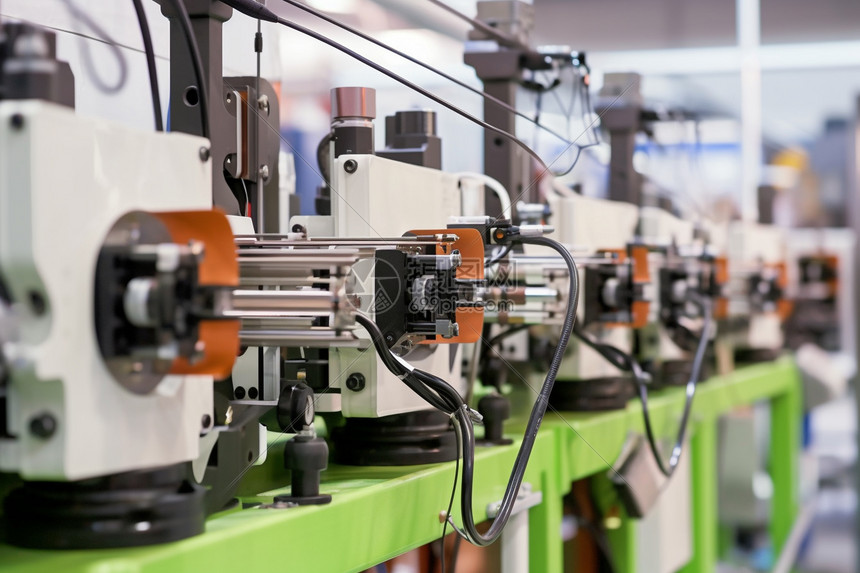
When I first started on the press line, the veteran toolmakers kept telling me the same thing: stamping is all about two categories of operations—separation and forming. Separation processes like blanking, piercing, and trimming physically cut the sheet metal along a closed contour. The mechanics are straightforward: the punch and die edge clearance controls whether you get a clean shear band or a ragged fracture. On a typical 1.5 mm cold-rolled steel blank, we run about 8–10% clearance per side for a clean cut. Get that clearance wrong, and you will fight burrs all day. In the die, this means the blanking punch must be sized to the hole, while the die opening is sized to the blank—a detail that trips up plenty of apprentices during die assembly.
Forming operations, on the other hand, do not separate material—they bend, draw, or stretch it into shape. Bending is the most common, and springback is the enemy. For a 90-degree bend on 2 mm mild steel, expect 2–5 degrees of springback depending on the die radius and material yield strength. In progressive dies, we often compensate by over-bending or adding a coinining station. Deep drawing is another beast entirely: the blank holder force, draw radius, and punch-to-die clearance all interact. A typical cylindrical cup draw might use a clearance of 1.1 to 1.2 times the sheet thickness, with the first draw reducing the blank diameter by roughly 40–50%. If you skip the draw radius calculation, you will get wrinkles or tears before the second hit.
Understanding this separation-versus-forming split is not academic—it dictates how you sequence stations in a progressive die, how you set press tonnage, and how you troubleshoot defects like galling or dimensional drift. A separation station needs sharp edges and tight clearance; a forming station needs generous radii and controlled material flow. Mix them up in your process plan, and you will be shimming and re-cutting inserts for weeks. For more practical mold sourcing and die design resources, visit MoldWorld at www.moldw.com.