Stamping Process Fundamentals: From Plastic Deformation to Precision Separation
September 13, 2026
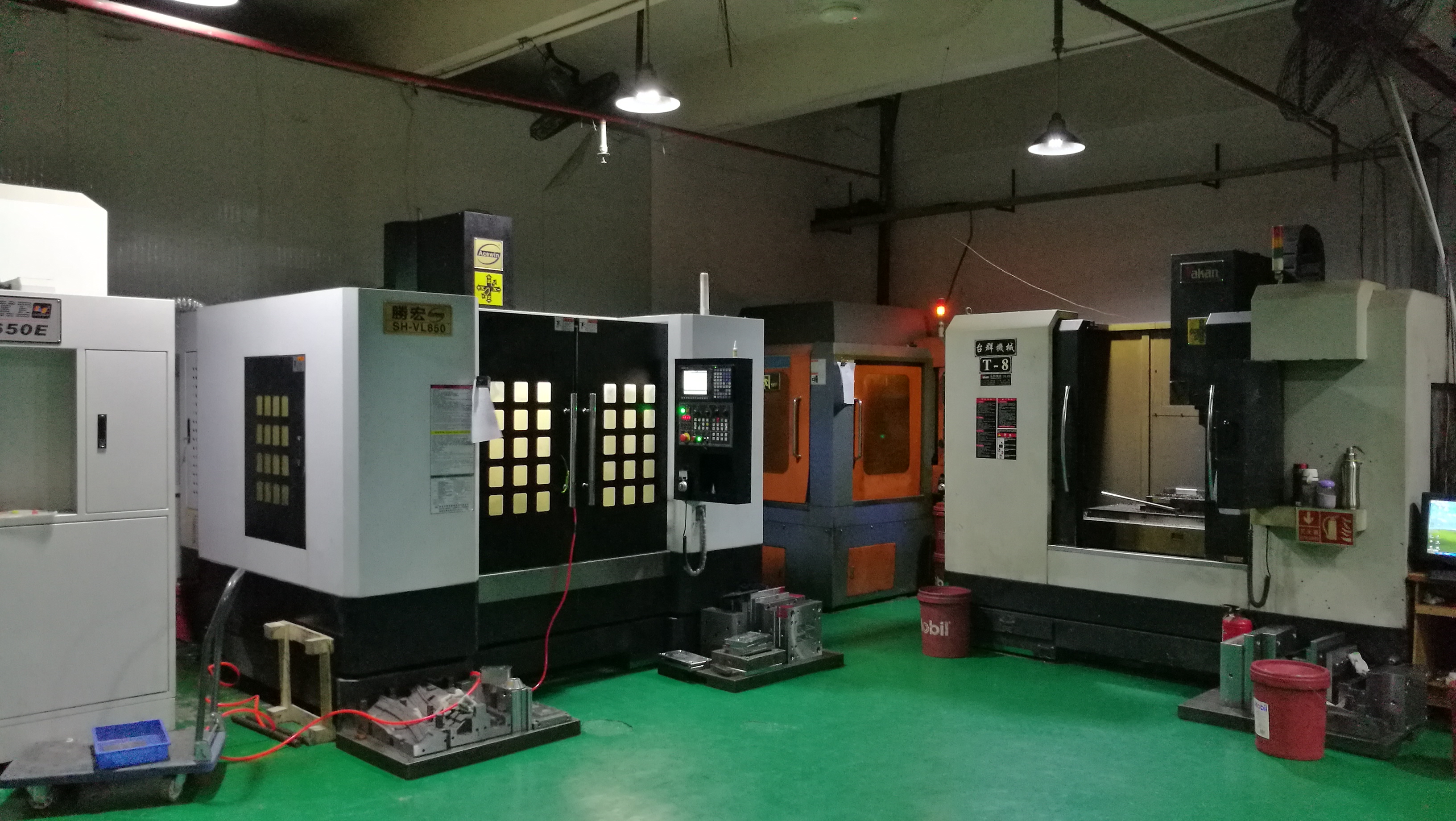
In stamping, the press and die apply external force to sheet, strip, tube, or profile material so it plastically deforms or separates into the required shape and size. For those of us working in mold shops, the real battle is controlling material flow inside the die cavity and keeping stress distribution predictable. Take cold-rolled SPCC, a everyday material in our industry. With thickness from 0.5 to 3 mm, it runs on 200 to 800 ton presses. A single stroke of a multi-station progressive die can complete blanking, piercing, bending, and drawing in one hit, which is why progressive tooling dominates high-volume work. But that efficiency depends on die construction details: punch and die insert materials, heel blocks, stripper plate pressure, and reliable slug evacuation all have to be right, or the whole line goes down.
Die clearance is one of the first things I check on the shop floor. We normally hold it at 5% to 10% of material thickness per side. Too large, and you get excessive burrs, poor edge quality, and secondary operations to fix it. Too small, and you accelerate die wear, risk galling, and shorten the life of expensive carbide or tool steel inserts. In mold making, this is not just a number in a book. It affects punch and die maintenance intervals, regrind schedules, and the total cost per part. For SPCC at 1.0 mm, for example, a 0.05 to 0.10 mm per side clearance is a common starting point, but we adjust based on shear strength, lubricant, and press condition.
Good stamping results come from treating the die as a system, not just a block of steel. That means matching press tonnage to the cut and form loads, selecting the right die springs and nitrogen cylinders, and verifying strip layout before wire EDM. It also means tracking burr height and wear patterns over production runs. For mold makers and sourcing engineers who need to compare tooling options or find reliable stamping die suppliers, visiting MoldWorld (www.moldw.com) is a practical next step for more mold sourcing information.