Stamping Is a Battle of Force and Form: What Really Determines Die Performance
September 09, 2026
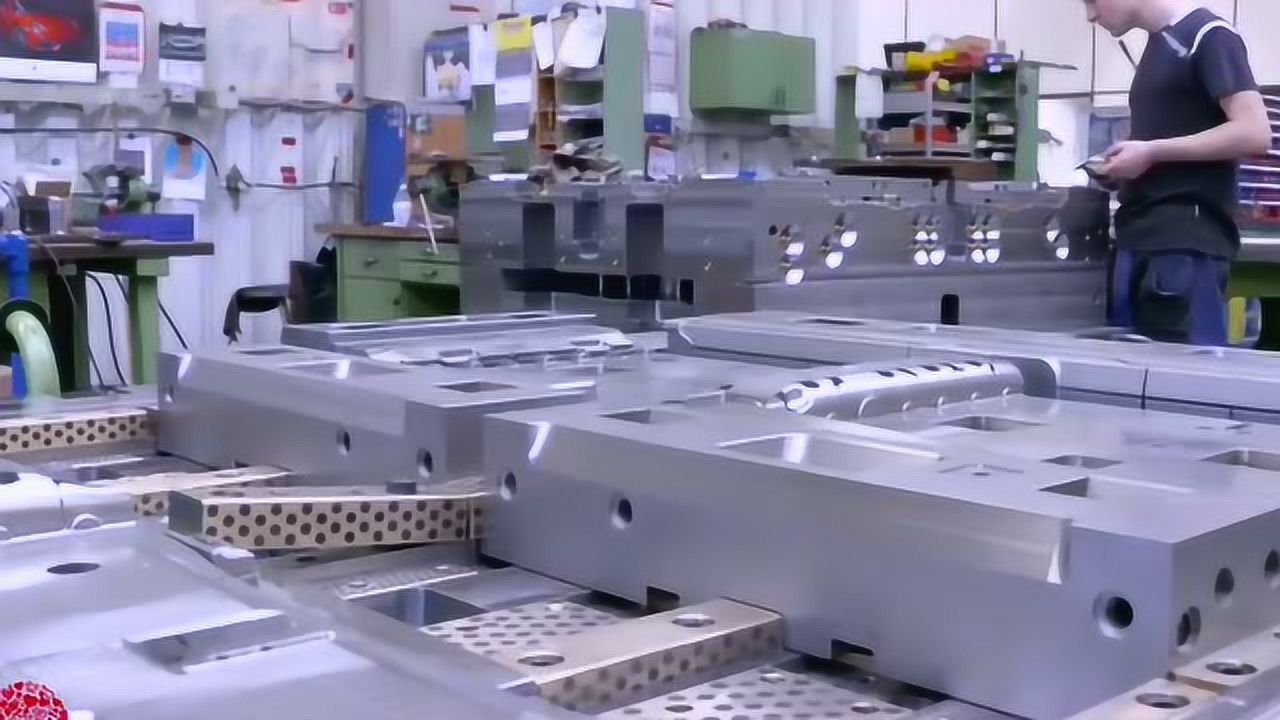
At its core, stamping is a contest between force and geometry. The press and die set apply external loads to sheet, strip, tube, or profile stock, forcing the material either into plastic deformation or full separation—whatever it takes to arrive at the target shape and dimensions. But the real engineering challenge is not about how big the press tonnage is. It is about how well the process parameters are matched: die clearance, blank holder force, and stamping speed. For a typical cold-rolled steel blanking operation, the punch-to-die clearance is usually set at 5% to 10% of the sheet thickness. If you run on the low side of that window, the burnish zone on the sheared edge gets longer and cleaner, but the die wears noticeably faster. If you open the clearance up, the fracture zone becomes more pronounced, and burr height can easily exceed acceptable limits.
In practice, the die designer’s nominal values are only a starting point. When we are on the press for first article trials, the experienced die setters rarely pull out the caliper to check clearance directly. Instead, they look at the direction and shape of the burr on the punched part. Burr pointing in one direction consistently tells you the clearance is uneven—usually because the die is not aligned with the punch, or the press bed has deflection under load. That simple visual check often reveals more than a stack of simulation reports. The same logic applies to drawing operations: blank holder force must be tuned against the material’s flow characteristics. Too little force causes wrinkling in the flange; too much force leads to splitting near the punch radius. We adjust in small increments, often 5% to 10% at a time, and watch the part’s surface response before making the next move.
This is why stamping process knowledge never becomes obsolete, even with advanced CNC grinding and servo-driven presses. The physics remains the same, and the feedback loop between the die, the material, and the machine is still best understood by someone who has spent years watching edges fracture and flanges draw. For mold buyers and production engineers looking to optimize their stamping dies or source reliable tooling, practical experience matters as much as the equipment spec. If you are sourcing a new die set or troubleshooting an existing one, visit MoldWorld at www.moldw.com for a wide range of mold suppliers, technical articles, and sourcing leads that respect the real-world constraints of force, form, and tolerance.