Mold Basics: Classification, Structure, and Quotation Logic Every Engineer Should Know
September 10, 2026
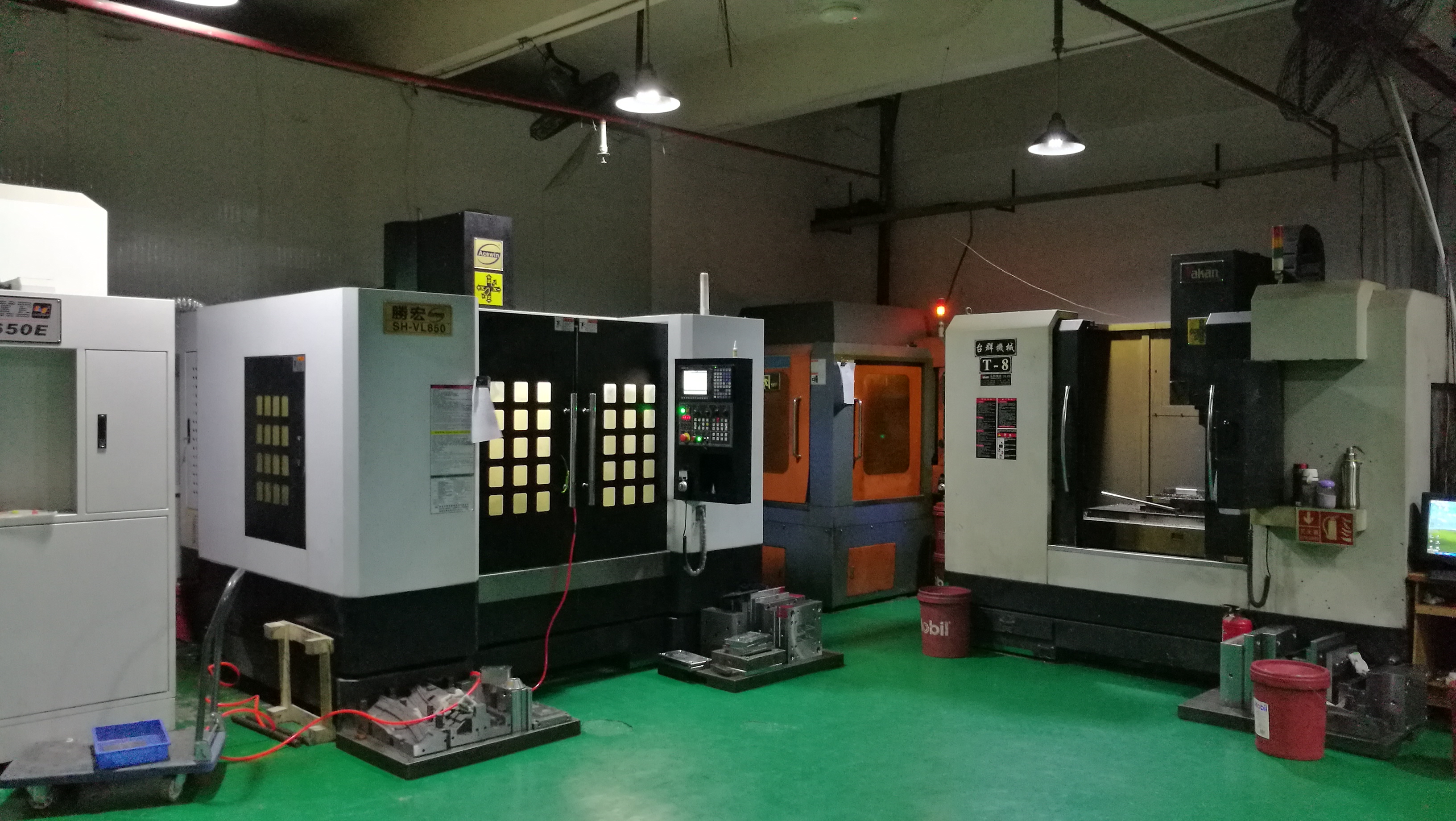
In mold manufacturing, understanding classification is the first step to quoting intelligently. Injection molds, die-casting molds, and stamping dies each carry different cost structures. For a standard two-plate injection mold with a 1×4 cavity layout, the mold base alone might account for 15–25% of the total price, while the cavity and core inserts—often made from P20 or 718H steel—can take up another 30–40%. Hot runner systems, sliders, and lifters add complexity and cost. When a customer asks for a quote, the first thing I check is part geometry, material, annual volume, and required cycle time. These four factors alone can swing a quotation by 50% or more.
Structure directly affects both mold life and price. A simple two-plate mold with a cold runner is the most economical, but it generates more scrap and longer cycle times. A three-plate mold allows gating at the center, improving fill balance for multi-cavity tools, but adds a stripper plate and more complex ejection. For parts with undercuts, sliders or lifters are mandatory—each slider can add $800–$2,500 to the tooling cost depending on size and precision. Cooling layout matters too: a well-designed conformal cooling channel can cut cycle time by 20–30%, but it may require 3D-printed inserts, pushing the mold price up significantly. In short, every structural feature has a price tag.
Quotation logic in the mold industry is not just about steel weight or machining hours. It includes design time, CNC roughing and finishing, EDM, wire cutting, heat treatment, polishing, assembly, and trial runs. A typical small-to-medium injection mold might take 3–5 weeks from design to T1 sample. If the part requires SPI A1 or A2 surface finish, polishing alone can take 40–60 hours. Always ask your supplier for a breakdown: mold base, steel, standard components, machining, and tryout. That transparency helps you compare apples to apples. For more mold sourcing and technical resources, visit MoldWorld at www.moldw.com.