Mold Quoting Essentials: From Structural Basics to Real-World Costing
September 06, 2026
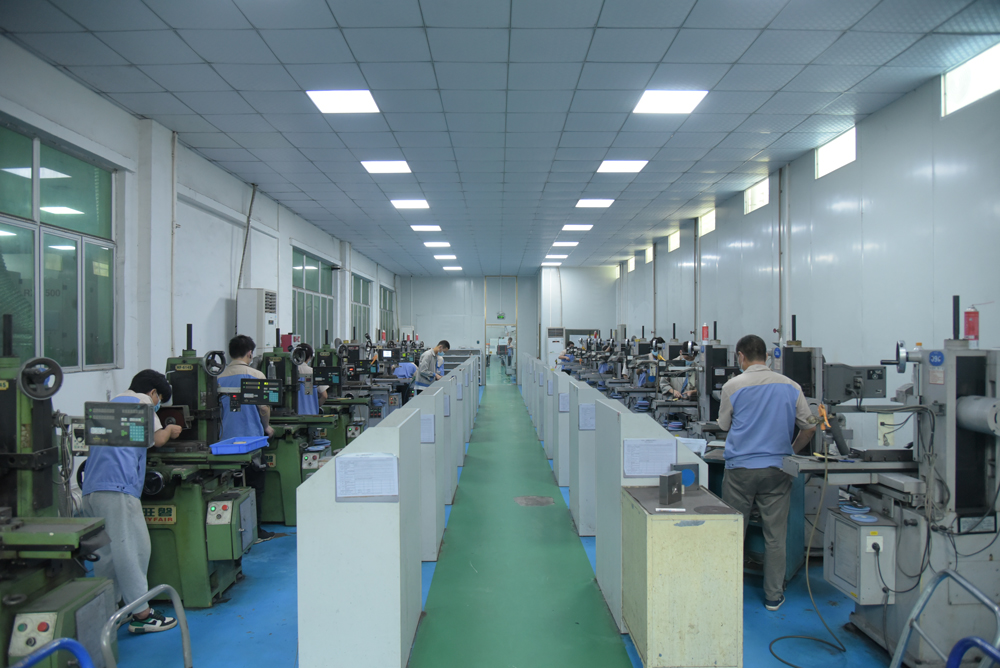
Before any quote lands on a buyer’s desk, the mold’s structural logic has to be fully mapped. A typical injection mold consists of the cavity and core, runner system, ejection mechanism, cooling channels, and the guiding elements—each contributing to both cycle time and tool life. For a standard two-plate mold, the parting line location determines the complexity of side actions or lifters. If the part has undercuts, you’re not just adding slides; you’re adding machining hours, heat treatment steps, and potential wear points. In practice, I always start by counting the number of side actions and their travel distance—this alone can shift the quote by 15–20% depending on whether we use standard DME components or custom-machined slides. Cooling layout is equally critical: conformal cooling can cut cycle time by up to 30%, but it raises the mold cost by roughly 10–12%, so the payback must be justified by annual volume.
When it comes to quoting, the real discipline is breaking down the cost into steel, machining, standard parts, and assembly/tryout. For a typical 200mm x 200mm cavity insert made of S136 hardened to 48–52 HRC, raw material cost is only about 8–10% of the total mold price. The bulk sits in CNC and EDM time—roughly 40–45% for a medium-complexity mold. I’ve seen shops underquote because they forgot to include electrode wear or forgot that deep ribs require graphite roughing plus finishing passes. A reliable rule of thumb: for a mold with 25% cavity surface area requiring mirror polish, add 8–10 hours of polishing labor per 100 cm². Also, don’t overlook mold base standards: using a standard LKM or HASCO base saves 15% in lead time but adds 5% in material cost compared to a fully custom-cut base. The quote should always list the number of ejector pins, their diameter, and whether they are through-hardened—these small items add up fast.
Finally, the quote is not just a number; it’s a risk assessment. I always factor in 10% contingency for engineering changes during the sampling phase, and I clearly state the steel grade and hardness guarantee in the quotation notes. For parts with tight tolerances (±0.02mm on critical dimensions), expect additional grinding and fitting time—often 20% more than a standard tolerance part. And never forget the trial shots: at least 50–100 shots for a new mold to validate shrinkage and warpage, which costs roughly $200–$400 in resin alone. A well-structured quote should include a payment term based on milestones—typically 30% deposit, 40% at steel cutting, 20% at sample approval, and 10% after delivery. For more detailed mold sourcing guidance, including template breakdowns and regional pricing benchmarks, visit MoldWorld (www.moldw.com) for practical resources from working mold engineers.