Hidden Costs in Mold Quoting and How to Communicate Them to Clients
September 05, 2026
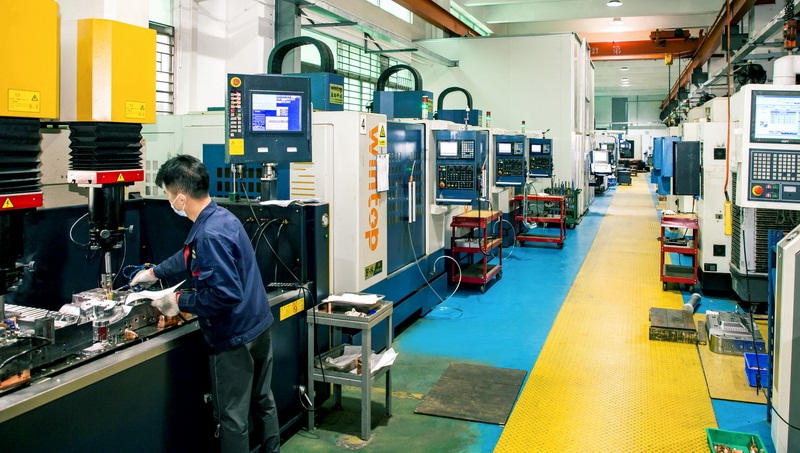
Every mold shop knows the sting of a quote that looked profitable on paper but turned sour after delivery. The culprit is rarely the steel price or machining hours—it’s the hidden costs that never made it into the initial estimate. These include engineering change requests (ECRs) after tool design freeze, extra polishing iterations on textured surfaces, trial-shot material waste beyond the agreed three rounds, and overnight shipping for inserts when the client’s schedule slips. In my experience, hidden costs typically add 8–15% to the final tooling cost, but if they are not flagged during quoting, the shop eats that margin. The first step is to build a checklist that forces the estimator to ask: Are we quoting a Class 101 tool with full documentation, or a production tool with minimal reporting? That distinction alone can swing the quote by 12%.
Client communication is where most of these surprises can be prevented. Instead of sending a single lump-sum quote, break the price into visible and optional line items—base tool, sampling, engineering changes, and expedite fees. This does two things: it educates the client on what drives cost, and it creates a paper trail for change orders later. When a client asks for a “quick tweak” to a rib depth or a gate location, respond with a formal change request that includes impact on delivery and price, even if the tweak seems minor. A 0.5 mm wall-thickness adjustment might require a new flow analysis, cavity re-cut, and additional mold trials—easily $1,800–$2,500 in hidden work. Also, set a clear policy on trial-shot material and cooling time: many shops absorb the first 50 kg of resin, but anything beyond that should be billed at cost.
Finally, use the quote itself as a communication tool. Include a assumptions page that states what is included (e.g., two sampling rounds, standard finish SPI-B1, one set of spare inserts) and what is not (e.g., hot runner controller rental, overseas travel for mold validation, overnight DHL). This prevents scope creep and makes the client feel they are getting a transparent partner, not a lowball bidder who will hit them with surcharges later. In practice, clients who see these details upfront are more likely to approve change orders without friction, and they respect a shop that knows its own numbers. For more practical tips on quoting, sourcing, and vendor evaluation, visit MoldWorld at www.moldw.com—a solid resource for mold buyers and makers alike.