Turning Trial-Shop Conflict into Technical Consensus in Mold Shops
September 05, 2026
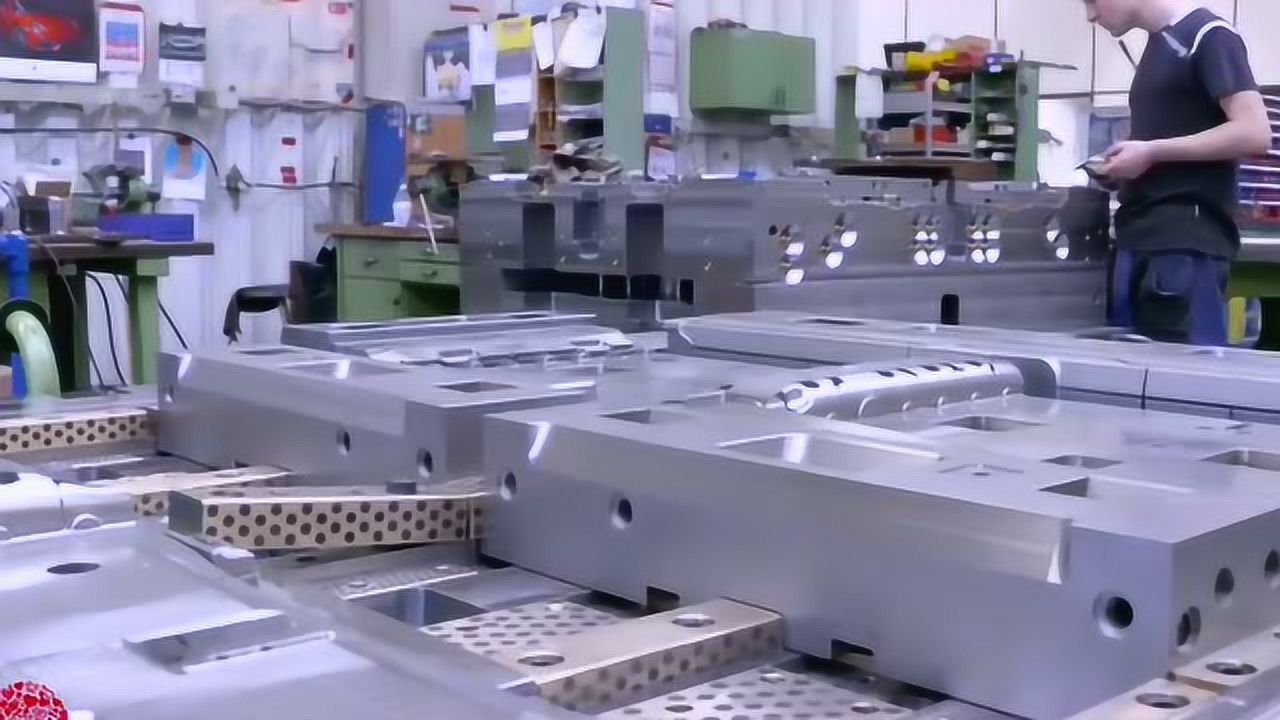
In any mold shop, the trial-run phase is where engineering theory meets shop-floor reality—and often where tempers flare. The phrase “hell is other people” rings true when a toolmaker, a process engineer, and a molding technician stand around a press, each convinced their own diagnosis of a short shot or flash is correct. The real issue isn’t personality; it’s the absence of a shared reference framework. When a mold is pulled for a weld-line fix, the debate usually centers on gate location, melt temperature, or packing pressure. But without standardized trial protocols—like recording cavity pressure curves or using a consistent fill-time window—each argument becomes anecdotal. In our shop, we’ve cut trial disputes by 40% simply by mandating a pre-trial checklist that includes steel temperature, clamp tonnage, and a documented shot-by-shot pressure profile.
The technical crux usually boils down to three variables: venting, cooling line balance, and gate shear rate. For example, a recent 2-cavity automotive connector mold showed a 12% weight variation between cavities. The molder blamed the hot runner, the toolmaker pointed to core shift, and the designer insisted on a fill simulation rerun. Instead of arguing, we ran a short-shot sequence at 10% increments, which revealed that the secondary runner’s cross-section was 0.8 mm too small—causing preferential fill. That’s a classic case where empirical data beats opinion. Similarly, when dealing with sink marks on a thick boss, we found that raising mold temperature from 60°C to 80°C and increasing packing time by 2 seconds eliminated the defect, but only after we agreed to measure part weight every 20 cycles. The key is to turn every trial into a controlled experiment, not a debate stage.
To institutionalize this, our team now uses a simple “trial log” that records each parameter change, the reason, and the measurable outcome. This has shifted conversations from “I think” to “the data shows.” We also schedule a 15-minute post-trial review where each discipline presents one finding, no interruptions allowed—this alone has cut rework loops by nearly a third. The goal is not to eliminate disagreement but to channel it into structured problem-solving. For shops still struggling with trial-room friction, start by standardizing your measurement points and agreeing on one acceptance criterion (e.g., dimensional Cpk > 1.33 or cosmetic grade B). Once you have that, the “hell” becomes a productive forge. For more practical mold sourcing and shop-management insights, visit MoldWorld at www.moldw.com.