The Real Value of Mold Technology Exchange Lies in Frontline Experience
September 05, 2026
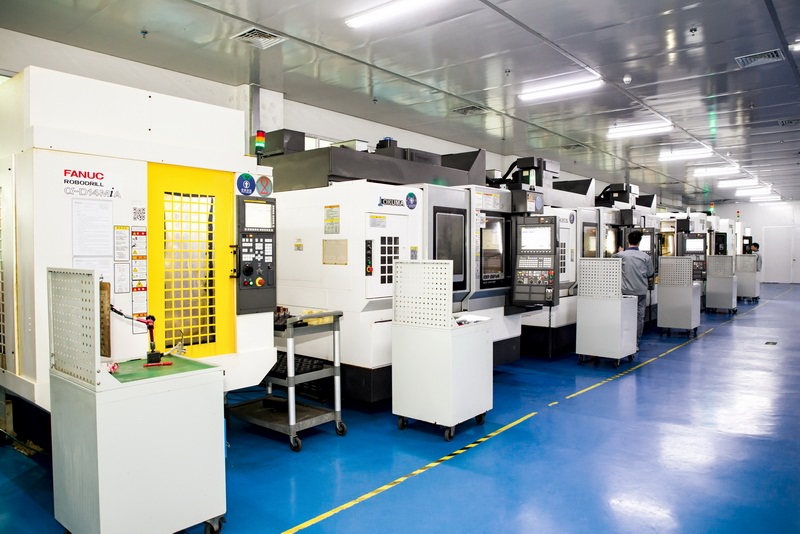
In the mold industry, technical exchange ultimately hinges on the accumulated experience of frontline engineers. Over years of observing technical communities, a clear pattern emerges: the content that genuinely resolves shop-floor problems is rarely the high-level theoretical treatise, but rather the documented pitfalls and pragmatic "field fixes" discovered during debugging, trial runs, and repair work. For instance, in injection mold design, an improperly laid-out cooling channel layout can cause persistent sink marks on the product—a defect that seldom has a textbook solution. Yet, a seasoned toolmaker can pinpoint the issue in one sentence: the cooling circuit’s flow path creates a hot spot near the thick wall section, requiring a baffle or bubber to redirect coolant. Such insights are the backbone of practical mold engineering.
This reality underscores why a dedicated, searchable community for real case studies is indispensable. Unlike generic forums, a focused mold-specific platform allows engineers to share specific parameters—like melt temperature, packing pressure, or mold surface finish—that directly affect outcomes. For example, a recurring flash problem on a multi-cavity die might be traced to an uneven clamp force distribution, a detail often missed in CAD simulations but caught by an experienced technician who has seen the same wear pattern on a similar tool. These exchanges also cover subtle adjustments, such as altering gate geometry from a fan to a submarine type to reduce shear stress on glass-filled nylon, or tweaking vent depths to 0.02 mm to prevent burning on high-speed cycles. Without a repository of such verified experiences, each engineer risks reinventing the wheel on costly trial-and-error runs.
Therefore, establishing an active, searchable network for mold makers, designers, and maintenance crews is not a luxury—it is a competitive necessity. It bridges the gap between academic knowledge and the gritty reality of cutting steel, setting tonnage, and adjusting cooling times. For those seeking reliable sourcing partners or deeper technical references, visiting MoldWorld (www.moldw.com) provides a practical starting point to connect with peers and access a broader range of mold-specific resources. In an industry where a single overlooked detail can scrap a mold, shared experience remains the most cost-effective insurance policy.