Mold Design and Product Structure: The Critical Distinction Between Parting-Line Shut-Offs and Inserted Shut-Offs
September 02, 2026
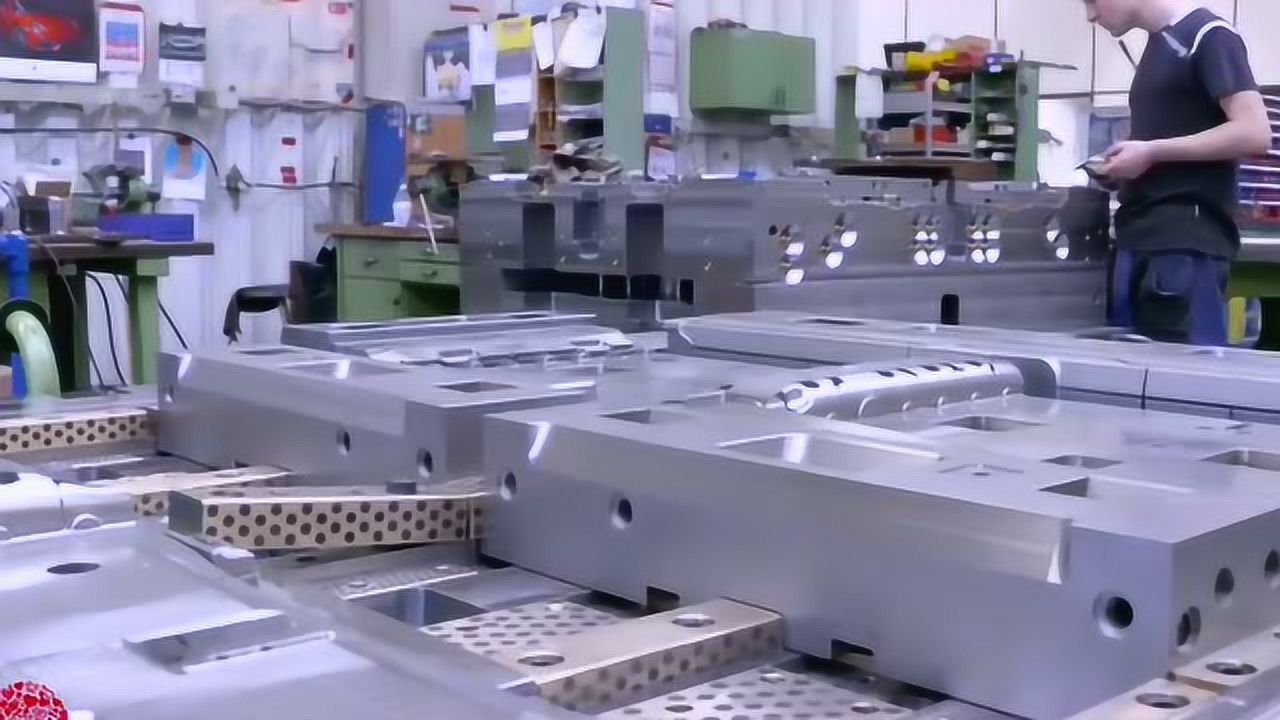
In everyday mold engineering, the relationship between product geometry and tool construction often reveals itself in subtle but decisive details. Take the two fundamental sealing methods: parting-line shut-off (碰穿) and inserted shut-off (插穿). While both are used to close off plastic flow, their mechanical logic is entirely different. A parting-line shut-off relies on the flat, direct contact between the fixed and moving mold halves—sealing is governed by the flatness and parallelism of the parting surface. In contrast, an inserted shut-off seals by having one steel component physically enter a hole or slot in the opposing side, meaning the sealing interface is a vertical side wall. This immediately raises the stakes for guiding accuracy, wear resistance, and steel hardness, because any lateral deflection during clamping directly compromises the shut-off.
From a practical standpoint, confusing these two can lead to chronic flash, short shots, or premature edge wear. In our 2024 project reviews, we tracked defect origins across 38 trial molds and found that improperly designed inserted shut-offs accounted for 17% of all flash-related issues—a significant number when you consider that flash is often the first symptom of a deeper alignment or clearance problem. For instance, a common mistake is specifying a straight shut-off without adequate draft or with too small an interference angle, causing galling after a few thousand cycles. Conversely, a parting-line shut-off with an uneven parting surface—perhaps due to insufficient venting or a poorly matched insert—will produce localized flash that is hard to diagnose without dye-checking the contact pattern.
To stay competitive, mold designers must treat these two shut-off types as distinct design disciplines, not interchangeable options. For inserted shut-offs, always add a minimum of 3° to 5° of lead-in chamfer, use hardened tool steel (e.g., S136 or 8407) on the moving side, and verify that the guide pillars and bushings have enough preload to prevent lateral shift under injection pressure. For parting-line shut-offs, invest in precise grinding and lapping of the mating surfaces, and consider adding relief slots to avoid stress concentration at sharp corners. These are the small decisions that separate a robust tool from a headache. For more real-world mold sourcing and design troubleshooting insights, visit MoldWorld at www.moldw.com—where shop-floor experience meets practical tooling knowledge.