Understanding Mold Quoting: The Structural Fundamentals Every Mold Engineer Must Master
September 02, 2026
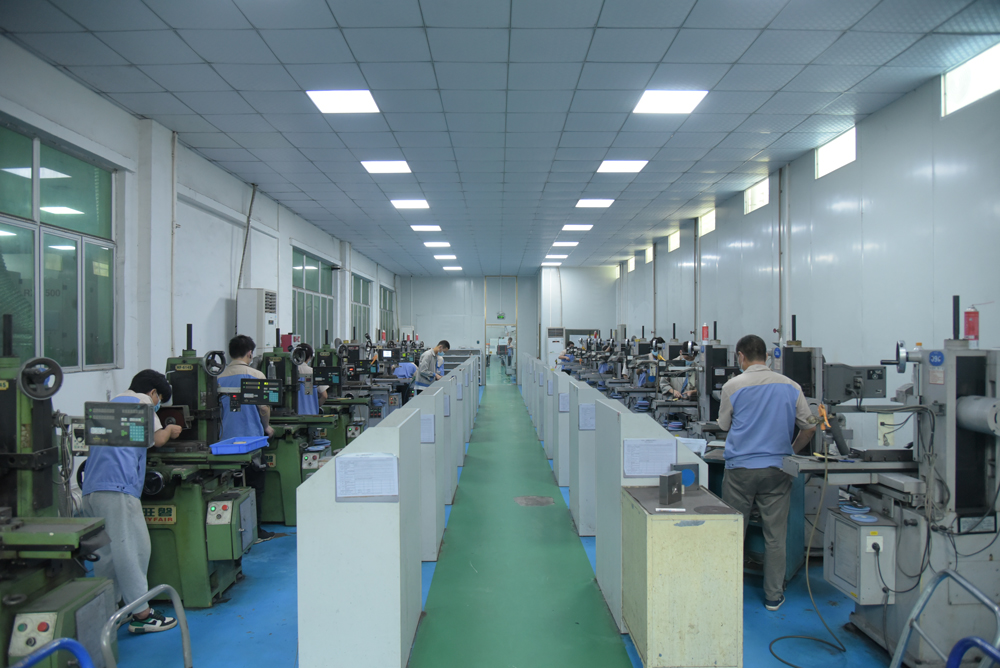
In daily mold sourcing and quoting, the first mistake I see is treating a mold like a commodity. A 50% mold for a simple housing and a 50% mold for a thin-wall, deep-rib automotive part are worlds apart in cost, yet many buyers only look at cavity count and steel grade. The real driver is structural complexity: number of side actions, lifter count, cooling circuit layout, and ejection method. For example, a standard two-plate mold with 2 cavities and no slides might quote at $8,000–$12,000, but add two hydraulic side cores and a hot runner system, and that same mold jumps to $18,000–$25,000. The quote must reflect not just part volume, but the number of moving parts in the tool—each slide adds 15–20% to machining time and requires hardened inserts, guide pins, and wear plates.
On the machining side, the real cost lies in electrode count and EDM time, not just CNC hours. For a mold with deep narrow ribs (depth-to-width ratio over 3:1), you cannot cut steel with standard end mills—you need graphite electrodes, often 5–8 pieces per rib set. Each electrode requires 3-axis milling, then finishing by EDM at 0.1–0.2 mm depth per pass. A typical 16-cavity connector mold with 40 electrodes will consume 60–80 hours of EDM time alone. That is why quoting must be built from a detailed breakdown: base steel cost (P20 or 718H), cavity steel (S136 or H13), hot runner system (if any), standard parts (ejector pins, return pins, springs), and then the variable machining hours. Never quote per kilogram of steel—that method died in the 90s. Instead, use a feature-based cost model: each hole, each rib, each undercut has a defined machining cost.
Finally, never forget the hidden costs that kill your margin: trial shots, polishing (a mirror finish on S136 costs $3–4 per square inch extra), and heat treatment distortion correction. A good rule of thumb is to add 8–10% of the total mold cost for trial and adjustment, and another 5% for steel shrinkage and warpage compensation. When you receive a 2D drawing, always check the draft angle and wall thickness uniformity—if the part has 0.5° draft on a 40 mm deep wall, you will need a special polished ejector and possibly a stripper plate, which adds 10% more. For accurate sourcing, always request a full DFM report and a breakdown of the quote by structure, machining, and assembly. For more mold sourcing and quoting insights, visit MoldWorld at www.moldw.com—a practical resource for comparing tooling costs across regions and suppliers.