From Chaos to Throughput: How APS Reshaped a Die-Casting Floor
September 02, 2026
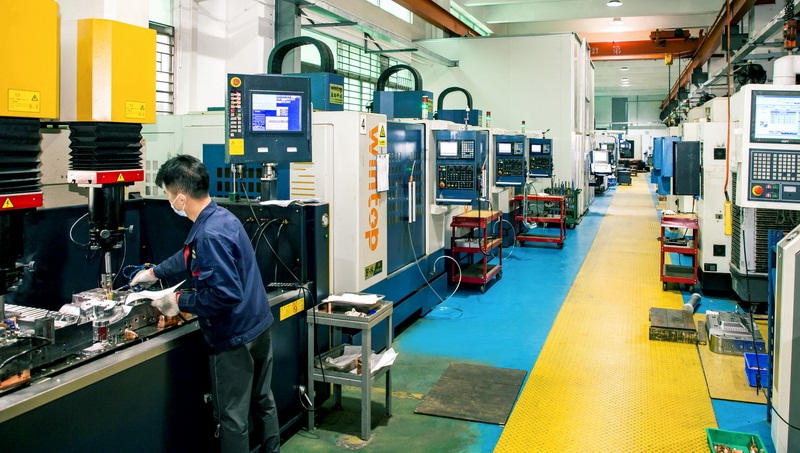
In most die-casting plants, the morning meeting is a firefight: 200+ active molds, 14 machines ranging from 280T to 1250T, and melt schedules that shift every time a customer calls. Our shop was no different—dispatchers juggled Excel tabs, sticky notes, and tribal knowledge just to get a rough sequence for the next 8 hours. The real pain was hidden in changeover logic. Every die change costs 40–90 minutes of lost production, and with 3–5 setups per machine per day, a bad sequence could easily eat 15% of available machine hours. We knew the bottleneck wasn’t the furnaces or the trim presses—it was the sequencing brain.
We deployed an APS (Advanced Planning and Scheduling) module that reads live data from the press controllers and the ERP order book. The algorithm now optimizes for two things: minimizing total setup time and balancing load across the 1250T and 800T cells, which handle the large structural parts. Key inputs include die temperature requirements, alloy type (we run A380 and A356), and the exact cycle time per cavity from the last 20 runs. The first month was brutal—operators resisted, and the first schedule had to be overridden 11 times in one shift. But after we added a “frozen window” of 4 hours and let the system re-optimize only the tail end, trust grew. Within 60 days, average mold changeover dropped from 68 minutes to 51, and machine utilization climbed from 71% to 83%. That’s not a paper gain—that’s 1,200 extra good castings per week on the 900T line alone.
The real win wasn’t the software; it was the discipline it forced on our data. We had to clean up BOMs, standardize die maintenance records, and finally tag every mold with a realistic cavity life. Now, the APS also feeds our quoting team—we can promise a delivery date with a confidence interval based on actual historical throughput, not a gut feel. If you’re a mold shop or die-caster still running on whiteboards, start with a two-week pilot on your three most unstable machines. Measure setup time before and after. If you don’t see at least a 12% improvement, your data hygiene is the problem, not the software. For more practical mold sourcing and shop-floor optimization tips, visit MoldWorld at www.moldw.com.