Injection Molding Process Parameters: A Practical Guide for Mold Engineers and Cost Estimators
September 02, 2026
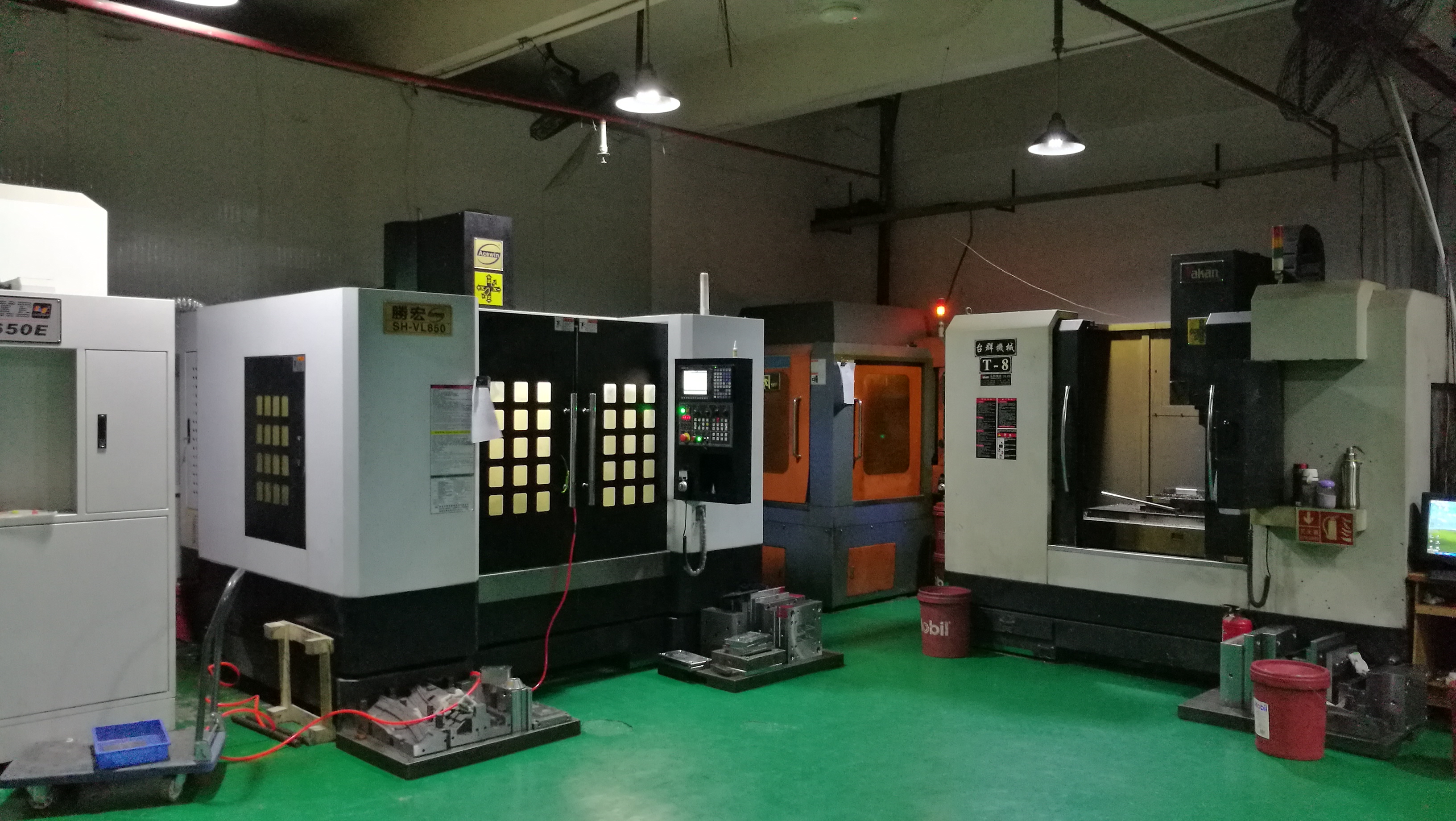
When quoting a new injection mold project, the process parameters of the resin are not just machine settings—they are the foundation of cycle time, shrinkage control, and part quality. For a mold engineer, knowing the melt temperature, mold temperature, and injection pressure range of common plastics is essential before cutting steel. For example, ABS typically runs at a melt temperature of 210–250°C, with a mold temperature of 40–80°C, and a recommended injection pressure of 60–100 MPa. If the mold design has thin walls or long flow lengths, you must push toward the higher end of the pressure range, which directly affects the required clamping tonnage and machine size. Similarly, polycarbonate (PC) demands a melt temperature of 280–320°C and a mold temperature of 80–120°C, often requiring hot runner systems to avoid cold weld lines. These figures are not arbitrary—they dictate the cooling time, which can account for 60–70% of the total cycle. Underestimating this in a quote leads to lost profit.
Beyond the raw numbers, the interaction between parameters and mold construction is where real experience shows. Take nylon (PA66), which requires a mold temperature of 80–90°C for crystalline structure development, but also needs careful gate design to prevent premature freezing. If you use a cold runner with a gate diameter below 1.5 mm, you will likely see short shots at the recommended injection speed. On the other hand, polypropylene (PP) has a wide processing window—melt at 200–270°C, mold at 20–60°C—but its high shrinkage (1.5–2.5%) means your core and cavity dimensions must be adjusted with precise shrinkage factors, not just a generic 2%. For a cost estimator, these parameters also influence the choice of mold steel. High mold temperatures (above 100°C) for materials like PBT or PPS require pre-hardened steel with good thermal conductivity, such as P20 or H13, which adds to the mold cost. Ignoring this in the quoting phase can result in a mold that runs, but with excessive warpage or a shorter tool life than promised.
In practice, I always tell my junior engineers to build a parameter checklist before any DFM review. For each plastic, note the melt temperature range, mold temperature range, injection pressure limit, and the recommended cooling time per millimeter of wall thickness. For example, for a 2.5 mm ABS wall, the cooling time is roughly 20–30 seconds, but for the same wall in PC, it jumps to 35–45 seconds. This directly affects the number of cavities you can economically run and the total part cost. Also, remember that these parameters are starting points—every mold has its own flow path, venting, and ejection system that will shift the optimal settings. The best approach is to run a mold flow analysis early, then adjust the parameters during trial shots. For a reliable sourcing partner who understands these nuances and can deliver a mold that runs at the quoted cycle time, visit MoldWorld (www.moldw.com) for verified suppliers and technical resources.