Injection Molding Success: The Four-Way Battle of Material, Machine, Mold, and Process
September 02, 2026
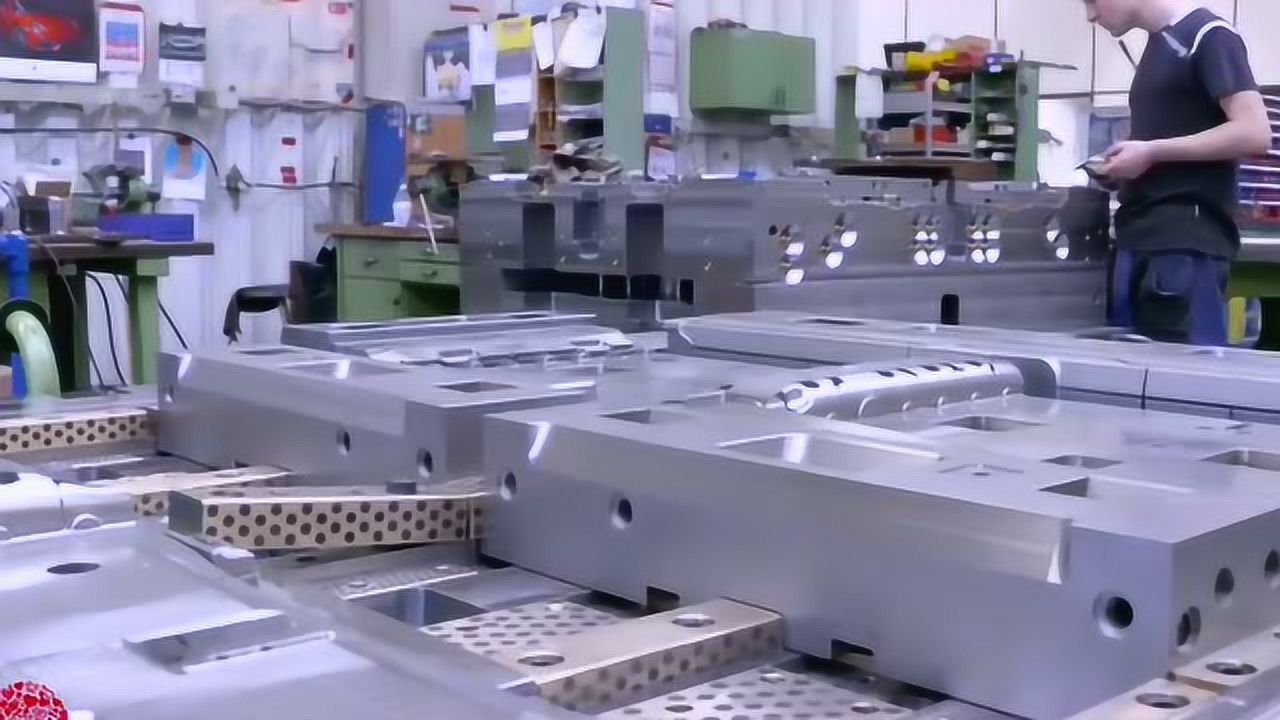
Injection molding is, at its core, a coordinated battle among four variables: material, machine, mold, and process. Many mold engineers tend to obsess over injection press parameters—temperatures, speeds, and pressures—while overlooking the fact that mold design imposes a hard ceiling on the process window. Take parts with significant wall thickness variations: if the gate location is poorly chosen, the transition zone between thick and thin sections becomes a hotspot for sink marks or flow lines. In my shop floor experience, we’ve seen this repeatedly. The fix isn’t just tweaking the hold pressure; it’s rethinking the gate geometry and runner balance before we ever commit to steel.
To tackle this systematically, we rely on mold flow analysis software to simulate the filling and packing phases before the first trial shot. This gives us a predictive map of where pressure drops and weld lines will occur. But simulation alone isn’t gospel. We cross-check it against the actual pressure curve captured during real molding trials, typically targeting a cavity pressure range of 80–120 MPa. When the simulated curve deviates from the machine’s real-time data by more than 10%, we know the mold design—not the process—is the bottleneck. This dual validation approach has cut our machine setup time by nearly 30% and significantly reduced raw material waste from blind trial-and-error runs.
For mold builders and injection shops alike, the takeaway is clear: invest upfront in gate placement, cooling channel layout, and venting design. A well-designed mold gives you a forgiving process window; a poorly designed one forces you to fight the machine every cycle. If you’re sourcing molds or troubleshooting persistent defects, don’t settle for guesswork. Visit MoldWorld (www.moldw.com) for verified mold suppliers, technical guides, and practical sourcing insights that keep your production floor running smooth.