Injection Molding Process Walkthrough for Practical Quoting and Production
September 01, 2026
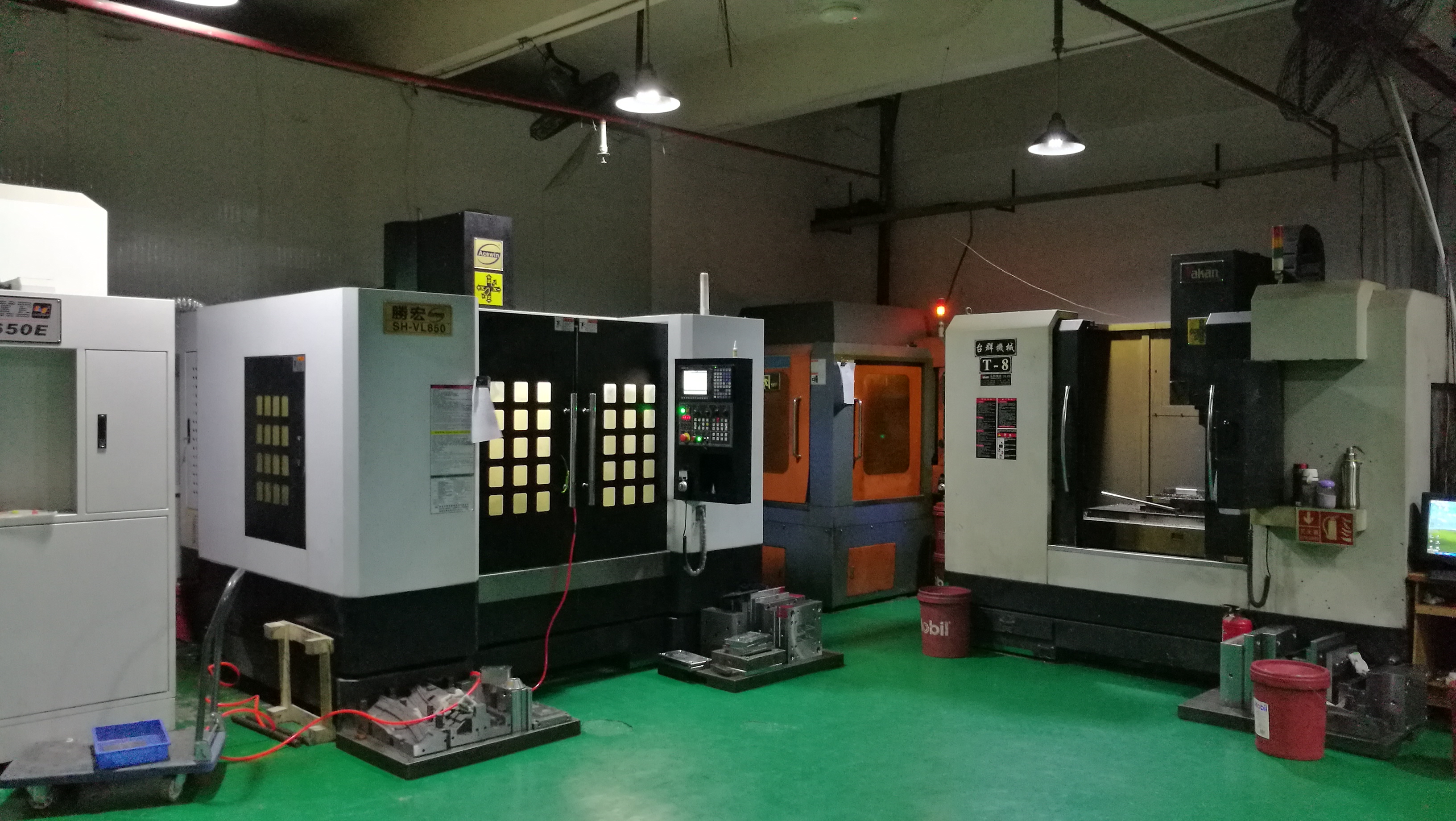
Injection molding is not just about clamping and shooting plastic—it’s a controlled sequence of thermal, hydraulic, and mechanical events that directly affect part quality and cycle cost. For any mold engineer or buyer, understanding the full process flow is essential before quoting. The standard sequence begins with material drying: hygroscopic resins like PA66 or ABS require 2–4 hours at 80–100°C to reach a moisture content below 0.2%, otherwise splay and brittleness appear. Next is melt preparation inside the barrel, where the screw’s L/D ratio (typically 20:1 to 25:1) and backpressure (5–15 MPa) determine melt homogeneity. Real production data shows that a 30% glass-filled PBT needs a melt temperature of 250–270°C, while unfilled PP runs at 200–230°C. These numbers are not optional—they dictate the clamp tonnage (usually 2–3 tons per square inch of projected area) and the cooling time, which often accounts for 50–70% of the total cycle.
During injection, the key is the two-stage pressure profile: first-stage fill at 60–80% of machine capacity to achieve 95–99% cavity volume, then switchover to hold pressure at 40–60% of injection pressure for 2–5 seconds to compensate for shrinkage. For a typical 100mm x 50mm x 2mm ABS housing, this translates to a fill time of 0.8–1.2 seconds and a hold pressure of 60–80 bar. After packing, cooling begins—mold temperature for semi-crystalline materials (POM, PA) should be 60–90°C to optimize crystallinity, while amorphous resins (PC, ABS) prefer 40–80°C to reduce residual stress. Ejection happens when the part temperature drops below its heat deflection temperature, usually 60–90°C, and the ejection force should not exceed 10–15% of the part’s structural strength to avoid pin marks. A common mistake in quoting is ignoring the effect of wall thickness on cooling: every 1mm increase adds roughly 8–12 seconds of cooling time, which directly raises the unit cost.
Finally, post-molding steps—degating, flash removal, and dimensional inspection—must be factored into the quote. For example, a precision gear in POM requires a 24-hour stress-relief at 120°C to stabilize dimensions, and a 0.05mm tolerance on a 50mm diameter demands a mold steel with a hardness above HRC 52 and a polished cavity finish below Ra 0.2. In practice, a well-optimized process can reduce cycle time by 15–20% compared to a rough setup, but only if the mold design includes proper venting (0.02–0.04mm deep) and conformal cooling channels. For any mold buyer or engineer looking to source reliable tooling and compare process capabilities, visiting MoldWorld at www.moldw.com provides verified mold suppliers, process benchmarks, and quoting guidelines that save time and avoid costly trial-and-error.