Mold Quoting: Stop Guessing and Start Calculating
September 22, 2026
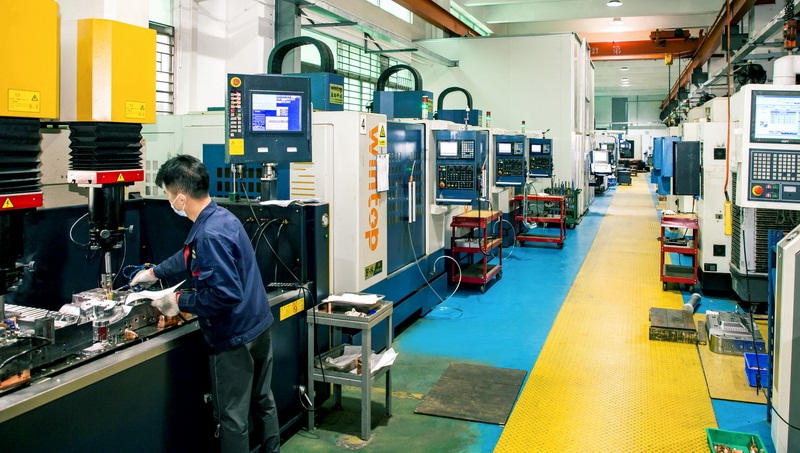
In mold making, quoting too low eats your margin, while quoting too high loses the order. Many moldmakers still rely on gut feeling, only to find at month-end that the books show nothing but wasted effort. A proper quote works like a well-organized playlist—every "track" must be listed: material, machining, heat treatment, standard components, trial run, and management fees. Miss one, and you are digging a hole for yourself. Take a medium-sized injection mold: steel for the mold base and cavity inserts alone accounts for 25%–35% of the total cost. The price gap between P20 and 718H can be over ten RMB per kilogram, and picking the wrong grade can wipe out half your profit before the first chip is cut.
From a mold engineer's perspective, the machining line items deserve the same discipline. Rough milling, CNC finishing, EDM for deep ribs, wire cutting for inserts, and polishing all carry different hourly rates and lead times. A deep-cavity mold with tight tolerances may need high-speed machining and additional electrode work, which can easily add 15%–20% to the processing budget. Heat treatment—whether nitriding for wear resistance or through-hardening for core inserts—must be quoted separately, not buried in a lump sum. Standard components like ejector pins, guide bushes, and hot runner systems have catalog prices; guessing them is asking for trouble. Trial run costs, including machine time, resin, and possible rework, should never be treated as a freebie.
The real lesson is simple: build a checklist and stick to it. Every mold quote should itemize material, machining, heat treatment, standard parts, trial run, and overhead. That way, when a customer pushes back on price, you can show exactly where the money goes—and where you cannot cut without risking quality. For more mold sourcing and quoting references, visit MoldWorld at www.moldw.com.