Mold Basics: From Classification to Material Selection
September 22, 2026
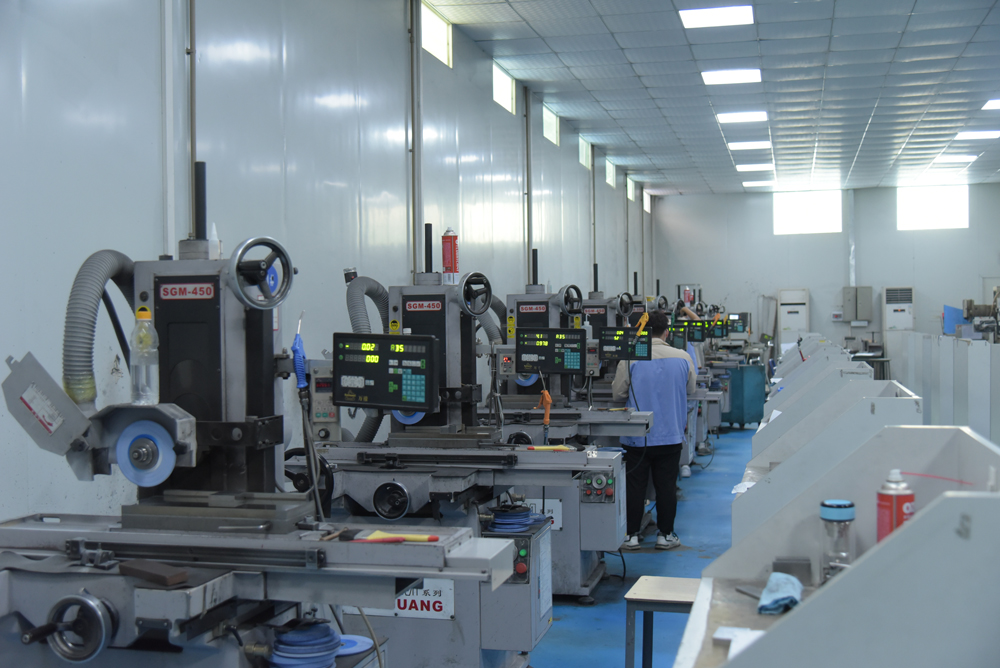
In our trade, a mold is never just a block of steel—it is the core tooling that defines injection, blow, extrusion, die-casting, forging, and stamping processes. It directly decides part precision and mass-production efficiency. When I quote a job, the first questions are always about the molding method and the expected run size, because those two factors dictate the mold base, cavity layout, and steel grade. For example, a 16-cavity hot-runner injection mold for a 1.2 mm wall ABS housing runs very differently from a single-cavity prototype tool. The wrong call on classification shows up later as flash, short shots, or premature wear.
Material selection is where experience pays off. For long-run injection tools, we typically go with P20, 718H, or S136 depending on abrasiveness and corrosion risk. Die-casting dies see much harsher thermal cycling, so H13 with proper heat treatment and surface nitriding is standard. Stamping and forging dies need high toughness and wear resistance, which is why Cr12MoV, SKD11, or 5CrNiMo show up in those shops. I also look at hardness, polishability, and weldability—because a mold that cannot be repaired easily becomes a bottleneck. Cooling layout, gate location, and ejection design are not afterthoughts; they are part of the same material and process decision.
On the floor, the difference between a good mold and a great mold often comes down to maintenance and sourcing discipline. Keep records of shot counts, inspect slides and lifters regularly, and replace wear plates before they scar the cavity. When you need reliable mold makers, component suppliers, or a second opinion on tooling quotes, visit MoldWorld at www.moldw.com for more mold sourcing information.