Mold Basics for Practical Engineers: From Classification to Quotation
September 17, 2026
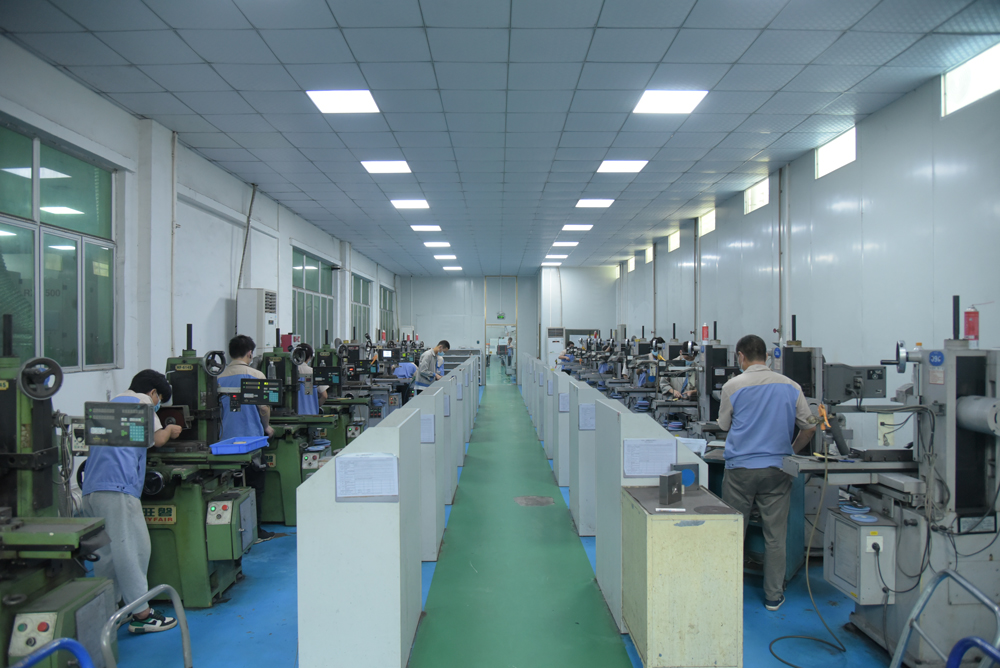
In industrial production, molds are the core tooling for injection, blow, extrusion, die-casting, forging, and stamping processes—essentially a "mother mold" used to replicate products in batches. By forming method, the common categories are injection molds, stamping molds, die-casting molds, blow molds, and extrusion molds. Injection molds account for more than 70% of plastic part production. A medium-complexity injection mold typically includes the cavity, core, runner system, cooling channels, and ejection mechanism. Stamping molds are divided into single-operation, compound, and progressive dies. A progressive die can complete punching, bending, and drawing in one continuous feed, offering high efficiency but a long debugging cycle. Die-casting molds must withstand high-temperature aluminum liquid erosion, so the core material is usually H13 with hardness controlled at HRC45-50.
When quoting a mold, never look only at steel weight. The cost of a mold consists of material, machining, standard components, heat treatment, trial runs, and profit. For a small-to-medium injection mold, the mold base uses S50C or P20, while the cavity uses 718H or NAK80. Machining often accounts for 40%-60% of the total price. Hourly rates for EDM, wire cutting, and CNC milling vary by region; slow wire cutting generally runs 80-120 RMB/hour, and CNC fine milling 60-100 RMB/hour. Quotations must also consider sliders, lifters, and hot runners—each additional slider raises cost by 8%-15%. Typically, 2-3 trial runs are reserved, costing about 800-2000 RMB each.
Mold design has several hard targets: the parting line should be at the maximum cross-section of the part to ensure ejection; cooling channels should be 12-15mm from the cavity surface—too close risks cracking, too far slows cooling; ejector pins must avoid appearance surfaces and thin walls; vent groove depth depends on material—PP and PE take 0.02-0.03mm, ABS takes 0.03-0.04mm. For steel selection, transparent parts use NAK80 or S136, corrosive materials like PVC require S136 or 2316, and ordinary ABS or PP is fine with P20. For mold life, P20 lasts about 300,000 cycles, 718H about 500,000, and S136 over 1 million. Mastering these basics gives you confidence whether quoting a customer or discussing process with the shop floor. In molds, details decide success—one misplaced vent can cause batch burning; one poor cooling circuit can add a dozen seconds to the cycle. New engineers should spend time in the workshop watching trial runs and recording cost data for typical structures; that beats memorizing theory. For more mold sourcing information, visit MoldWorld at www.moldw.com.