Learning German as a Mold Engineer: From Shop Floor Terms to B1 Level
September 16, 2026
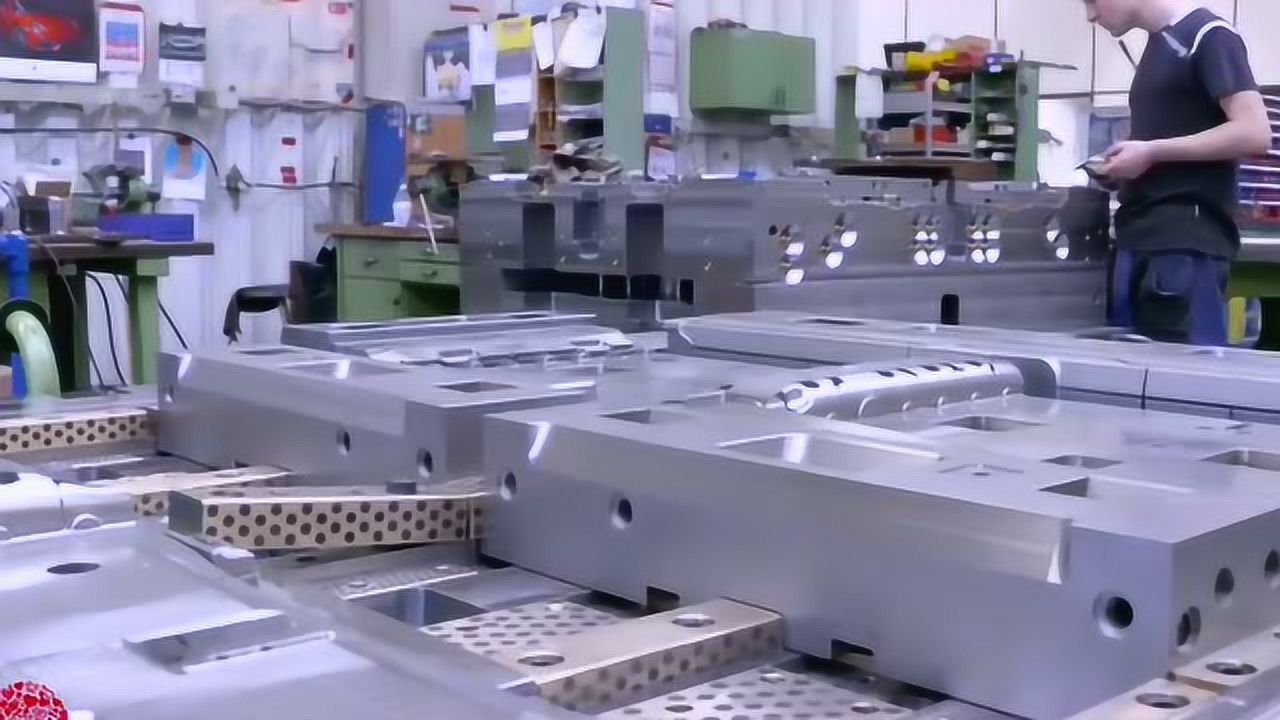
For mold engineers working with German-speaking customers or OEMs, learning German is not about passing an exam for its own sake. It starts on the shop floor. Terms like "Formnest" (cavity), "Anguss" (gate), "Auswerferstift" (ejector pin), "Trennmittel" (release agent), and "Werkzeugstahl" (tool steel) come up daily in tooling discussions. You also need to know "Spritzgießwerkzeug" (injection mold), "Hinterschnitt" (undercut), and "Entlüftung" (venting) when reviewing DFM reports or hot runner layouts. At A2 level, the focus is on reading 2D mold drawings, understanding tolerance callouts like "Passung H7/g6," and following simple work instructions. This is where a glossary built from your own projects beats any textbook.
Moving toward B1, the language shifts from labels to processes. You need to explain why a "Schieber" (slider) is preferred over a "Druckstift" in a deep rib, or how "Werkzeugtemperierung" affects cycle time and warpage. Grammar matters here: modal verbs for recommendations ("Das Werkzeug sollte..."), passive voice for technical descriptions ("Die Kavität wird gefräst"), and subordinate clauses for cause-effect reasoning ("weil die Kühlzeit zu kurz ist"). A realistic B1 goal for a mold technician is 6–9 months of 30 minutes daily study, plus weekly practice writing short emails to German toolmakers about "Änderungsanfragen" (change requests) or "Lieferverzögerungen" (delivery delays).
From a moldmaker's perspective, the best study materials are real documents: German mold standards (DIN 16749 for mold bases), hot runner manuals from companies like EWIKON or Günther, and maintenance checklists. Pair vocabulary with visuals—label a mold assembly drawing in German, then explain the ejection sequence aloud. For sourcing German mold components, standard parts, or tooling partners, visit MoldWorld (www.moldw.com) for more mold sourcing information.