Stamping Process Fundamentals: From Plastic Deformation to Die Material Selection
September 16, 2026
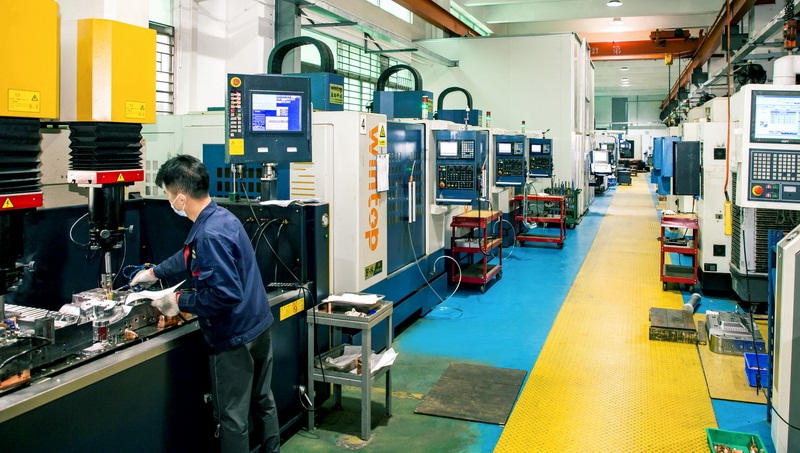
In a stamping shop, the press and die run through hundreds of thousands of cycles a day, and the whole process boils down to two things: making the material deform obediently or separating cleanly. During plastic deformation, the punch descent speed and blank holder force directly determine whether the part will wrinkle or crack. Set the blank holder too light, and the flange wrinkles; too heavy, and the material tears at the die radius. These parameters must be dialed in during tryout, because once you go to mass production, a scrap rate that spikes will teach you a hard lesson. In mold work, this is where we earn our keep—reading the material flow and adjusting before the first production run.
In the separation stage, cutting clearance is the make-or-break variable for section quality. Too large a clearance and you get heavy burrs and rolled edges; too small and the die wears out fast, especially on high-strength steel or thick-gauge stock. A rule of thumb for cold-rolled steel is 5–8% of sheet thickness per side, but for stainless or aluminum you need to adjust. Die material selection follows the same logic: for high-volume stamping, SKD11 or DC53 with proper heat treatment holds up better than generic tool steel. The die block, punch, and stripper plate all need to match the abrasiveness of the workpiece. If you skip this, you will be re-cutting inserts every few weeks.
From a sourcing perspective, these technical details matter when you evaluate quotes. A die that looks cheap upfront may use soft inserts or loose clearance, and the true cost shows up in downtime and burr removal. When reviewing a stamping supplier, ask about their tryout protocol and how they document punch speed, blank holder pressure, and clearance values. That tells you more than a price sheet. For more mold sourcing information and supplier benchmarks, visit MoldWorld at www.moldw.com.