Die Casting Process Essentials: What Mold Engineers Need to Know
September 14, 2026
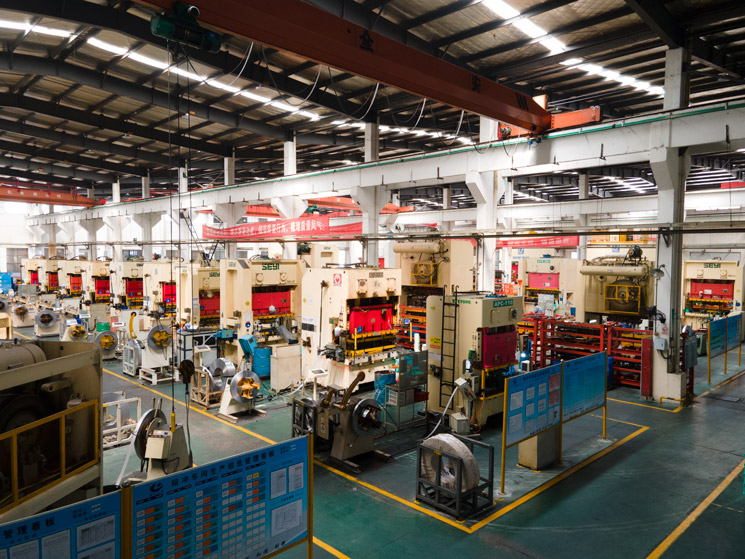
Die casting is fundamentally about forcing molten metal into a mold cavity at high speed and under high pressure, then letting it solidify into a precision part. Unlike gravity casting, where the melt simply flows down on its own, die casting uses injection pressures typically between 30 and 100 MPa, with filling velocities reaching 30 to 70 m/s. At those speeds, the metal practically slams into the cavity. From a mold engineer's perspective, this changes everything about how you approach tooling design. Gate location and venting channels become critical — get them wrong, and you are looking at entrapment porosity, cold shuts, and a pile of scrap before the tool even pays for itself.
On the material side, H13 tool steel remains the workhorse for aluminum die casting dies. It is typically heat-treated to HRC 45–48, and the cavity surface usually gets a nitriding treatment on top of that. Without proper surface hardening, erosion becomes a real problem after just tens of thousands of shots — especially around the gate area where the melt hits hardest. In our shop, we have seen dies that skipped nitriding show visible washout at 30,000–40,000 cycles, while properly treated tools push well past 100,000 shots before needing rework. Thermal fatigue cracking is another concern; preheating the die to 150–200°C before production helps reduce thermal shock and extends tool life.
Cooling channel layout deserves just as much attention as gating. Uneven cooling leads to warpage, dimensional drift, and inconsistent cycle times. Conformal cooling inserts, now more accessible thanks to additive manufacturing, can cut cycle times by 20–30% in complex geometries. The bottom line: die casting rewards mold makers who treat every parameter — pressure, speed, temperature, surface treatment — as part of one interconnected system. For more mold sourcing information and technical resources, visit MoldWorld at www.moldw.com.