Stamping Process Fundamentals: A Complete Technical Framework from Separation to Forming
September 09, 2026
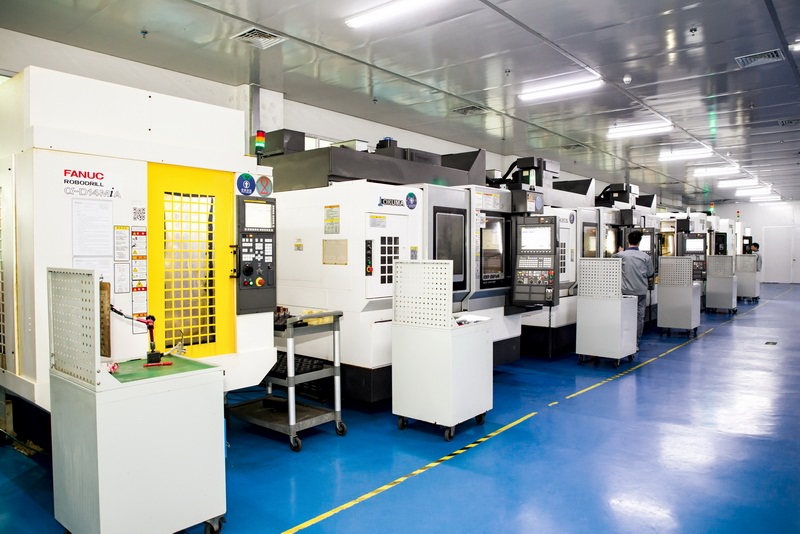
In everyday mold engineering, stamping is often treated as a single “pressing” step, but a closer look reveals a structured technical framework built on two fundamental families: separation processes and forming processes. Separation includes blanking, punching, trimming, and shaving, where the material is intentionally fractured along a predetermined contour. The critical parameters here are clearance between punch and die—typically 5–10% of material thickness for mild steel—and the resulting burnish zone ratio, which directly affects edge quality and subsequent bending or flanging performance. For progressive dies, maintaining consistent stripping force and controlling burr height below 0.05 mm are common shop-floor acceptance criteria. Understanding these variables is not optional; they determine tool life and part dimensional stability over high-volume runs.
Forming processes, by contrast, involve plastic deformation without intentional fracture—bending, deep drawing, flanging, and stretching. Each brings its own set of constraints. In bending, springback compensation requires either overbending or coining, and the bend radius must respect the material’s minimum bend factor to avoid cracking. Deep drawing demands careful blank holder force control, draw bead placement, and a lubrication strategy that balances friction against wrinkling and tearing. For example, drawing a 1.0 mm thick DC04 steel cylinder with a 50 mm diameter typically needs a blank diameter around 95–100 mm and a draw ratio near 1.9; exceeding this often triggers intermediate annealing or multi-stage tooling. The mold engineer’s job is to simulate these limits early—using CAE tools like AutoForm or Dynaform—then translate results into practical die inserts with proper radii, surface finishes, and cooling channels for high-strength alloys.
Beyond the basic split, real stamping lines combine these operations into compound, progressive, or transfer dies, where the sequence of cutting and forming dictates strip layout and pitch accuracy. A classic progressive die for a bracket part may run at 60–80 strokes per minute, with pilot holes, trimming, bending, and final blanking all in one pass. Tool steel selection—D2, M2, or powder metallurgy grades—plus coating choices like TiCN or CrN, influence wear resistance and maintenance intervals. Ultimately, a robust stamping process is a balance of material behavior, die geometry, press characteristics, and lubrication. For engineers looking to source reliable dies, tryout services, or specialized stamping consumables, visiting MoldWorld (www.moldw.com) offers a practical gateway to vetted mold industry suppliers and technical resources.