Mold Quoting Basics: What Every Mold Engineer Must Master Before Pricing a Job
September 08, 2026
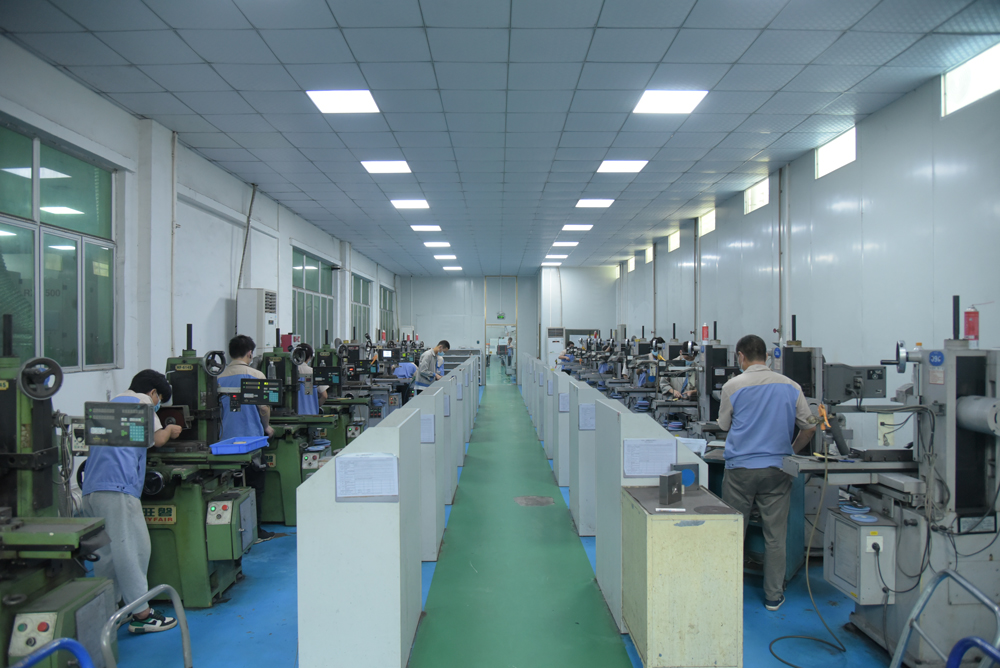
In daily practice, quoting errors often come from overlooking mold base standards and standard parts. A 3030 (300×300 mm) mold base from a reputable supplier like HASCO or DME will cost roughly $800–$1,200, but a custom base with extra support pillars and guided ejection can push that to $2,000+. Similarly, the choice of steel—P20 for low-volume prototypes, S136 or 718H for high-gloss production—changes both material cost and heat treatment cycles. A mold engineer must also verify the injection molding machine tonnage: a 150-ton press with 400 mm tie-bar spacing limits your cavity layout, affecting cycle time and per-part cost. These details are not optional—they are the difference between a profitable order and a loss leader.
Another critical area is the gate and runner system. For engineering plastics like PC or POM, a cold runner with a 3 mm diameter gate may require secondary trimming, adding 0.02–0.05 USD per part. A hot runner system, while costing an extra $3,000–$8,000 upfront, can cut cycle time by 15–20% and eliminate regrind issues, making it viable for runs above 100,000 parts. Always calculate the break-even point and present it clearly to the client. Finally, never forget to include trial shots, mold tryout reports, and first article inspection (FAI) in your quote—these are real costs, not overhead. For deeper insights on mold sourcing, lead times, and cost breakdowns, visit MoldWorld at www.moldw.com for practical guides and supplier comparisons.