Stamping Dies Are Won or Lost in Sheet Metal Flow Details
September 08, 2026
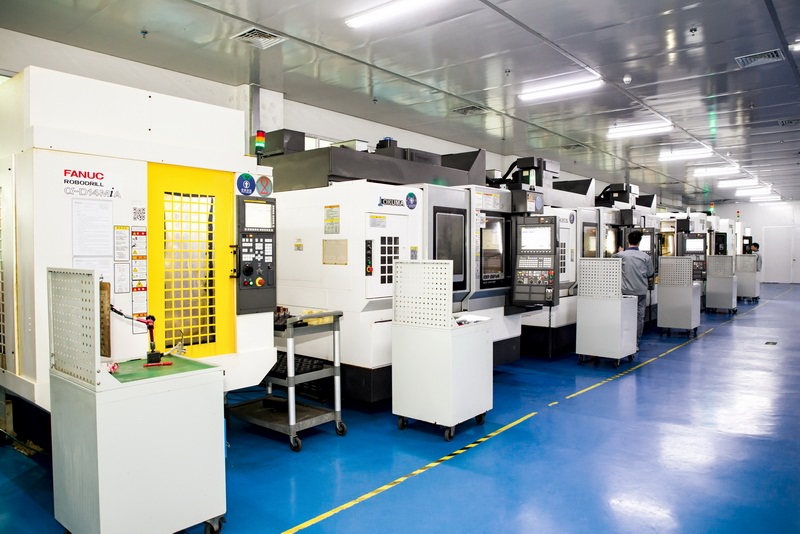
Most people outside the shop floor think stamping is just “pressing a button.” But anyone who has debugged a progressive die knows better. From blanking and piercing to deep drawing and flanging, every operation is a battle between material flow, stress state, and springback. Take bulging, for instance. When the punch locally lifts the sheet, the material stretches under biaxial tensile stress, thinning progressively. The thinnest zone is exactly where cracking will occur—often within a few tenths of a millimeter. In high-strength steel or aluminum panels, that thinning limit is unforgiving. We routinely measure thickness reduction with ultrasonic gauges or grid etching to predict fracture before it appears on the surface.
For large curved panels like automotive outer skins, bulging control is even more critical. If the bulge ratio is too aggressive, the surface will either wrinkle near the binder or split at the punch nose radius. The typical fix is not to redesign the punch, but to adjust the blank holder force—sometimes by just 10–15%—or to reposition the draw beads. A well-placed draw bead changes the local restraining force, redistributing strain into safer zones. In my experience, running a quick CAE simulation with variable blank holder force profiles saves at least two die tryout iterations. Also, don’t overlook lubrication: a viscosity shift from 100 to 220 cSt can alter material flow enough to eliminate a persistent wrinkle without touching the die steel.
Springback is the other silent killer. After unloading, the elastic recovery in a bent or drawn part can exceed 1.5° per 100 mm of flange length in AHSS grades. That means you must over-bend or add relief features in the die. But over-bending is not a fixed value—it depends on the material’s yield-to-tensile ratio, which varies by coil. So we keep a small stock of test strips from every new coil and re-check the bend angle before running full batches. It’s this kind of attention to detail that separates a die that runs 500,000 hits from one that needs rework every month. For more practical die design and troubleshooting insights, visit MoldWorld at www.moldw.com—a solid resource for sourcing tooling and comparing shop-floor solutions.