Closing the Information Loop in Mold Manufacturing: A Practical Look at Data Flow Efficiency
September 08, 2026
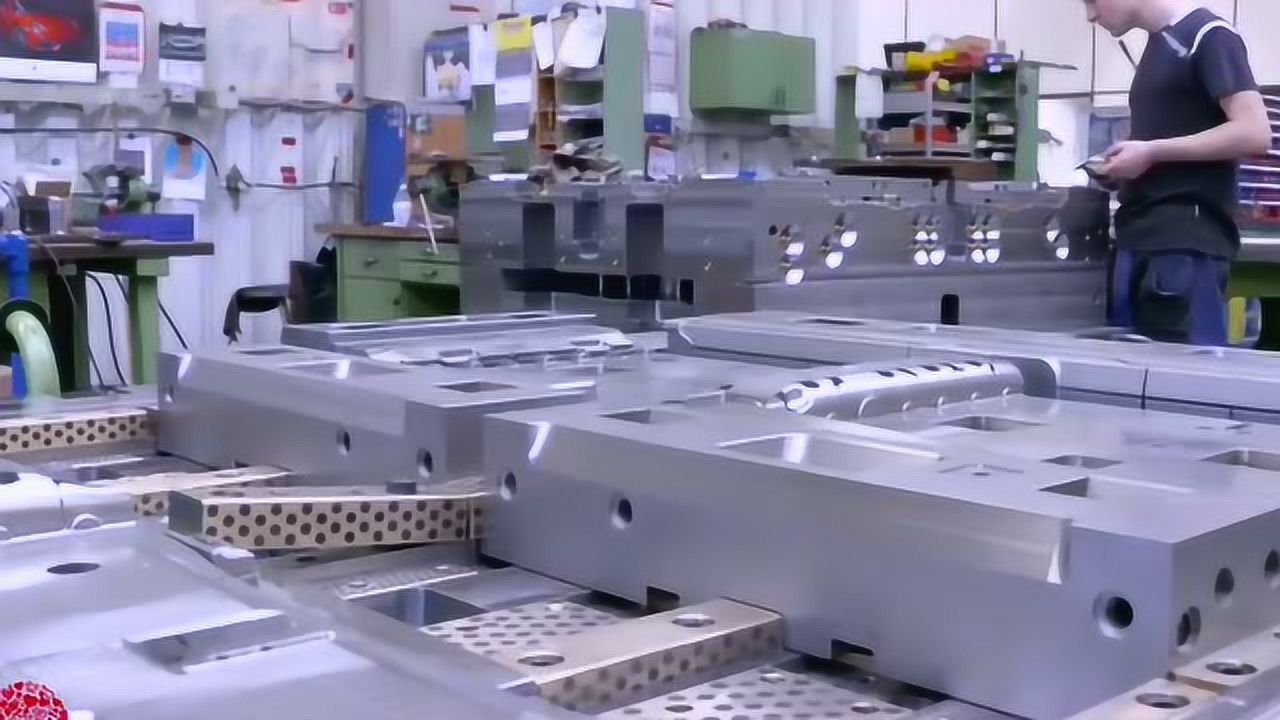
In mold manufacturing, the speed and accuracy of information transfer often dictate the entire project timeline. Every tooling engineer has faced the same frustration: a drawing revision is approved, but before it reaches the shop floor, the machining team has already cut steel to the old version. This lag between design updates and shop-floor execution is not just an inconvenience—it is a direct cause of costly rework, especially in precision mold making where tolerances are tight and lead times are non-negotiable. The industry calls molds “the mother of industry,” yet the “nervous system” of that mother—the technical documentation flow—remains stuck at a level from over a decade ago. Many shops still rely on email attachments, local network drives, or even printed markups to communicate changes, which creates a fragmented and error-prone environment.
From a practical standpoint, the core issue is not the CAD software or the CNC machines, but the lack of a controlled, real-time document management protocol. For example, a typical injection mold project involves dozens of revisions—core and cavity adjustments, cooling line modifications, ejection system tweaks—each requiring immediate synchronization across design, CAM programming, and the workshop. When a revision is issued, the old drawing may still be open on a machine operator’s screen, or a CAM programmer might have already generated toolpaths from outdated geometry. In precision molds, a 0.02 mm mismatch due to an old version can scrap a hardened steel insert, adding days to the schedule and thousands of dollars in material and machining costs. The solution is not just better software, but a disciplined workflow: a central database with version control, automatic notifications to all relevant stations, and a clear sign-off procedure before any machining begins.
For mold shops aiming to stay competitive, improving information flow is as important as upgrading machinery. Simple measures—such as using a shared cloud-based platform with revision locks, barcoding drawings at the machine, or implementing a digital job traveler—can reduce version-related errors by over 60% in many cases. It also shortens the time from design approval to first cut, which directly impacts delivery promises. The key is to treat technical data with the same rigor as the steel itself: traceable, controlled, and always current. For more practical insights on mold sourcing, process optimization, and shop-floor data management, visit MoldWorld at www.moldw.com—a dedicated resource for mold professionals seeking real-world solutions.