Stamping Isn’t Just Pressing Metal—It’s a Precision Dialogue Between Tool and Material
September 07, 2026
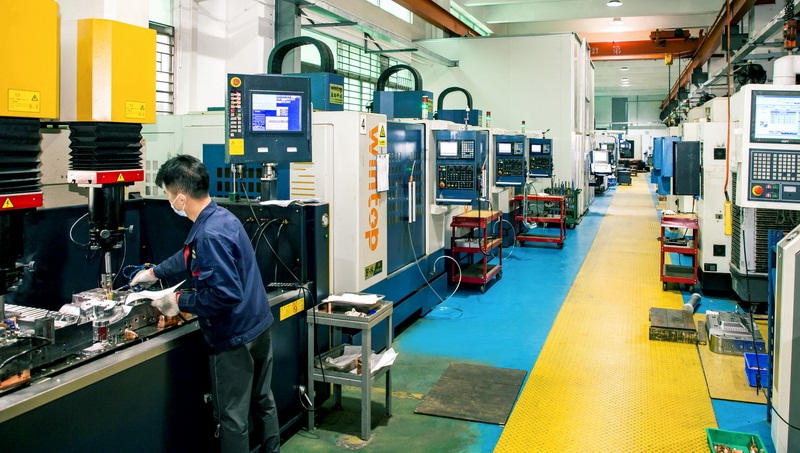
Any mold engineer will tell you that stamping looks deceptively simple: feed a sheet, hit it with a press, get a part. But the real work lives in the millimeters—and sometimes tenths of a millimeter—that separate a good run from a scrap bin. The process itself relies on a press and a die to apply external force to sheet, strip, tube, or profile stock, forcing plastic deformation or clean separation to achieve the target geometry. Whether you’re blanking, piercing, deep drawing, or bending, every operation is a hard conversation between the tool steel and the material. The visual side—watching a blank drop or a cup form—is intuitive, but the underlying parameters are anything but.
Take die clearance, for example. Too tight, and the punch wears prematurely, leaving burnished edges and excessive burrs. Too loose, and you get rollover and a ragged fracture zone that can fail dimensional checks. On a typical 1.5 mm mild steel stamping, a clearance of 10–15% of material thickness per side is a common starting point, but that shifts with tensile strength and coating. Blank holding force is another silent killer—especially in deep drawing. If it’s too low, the flange wrinkles; too high, the cup wall thins and tears. And springback? That’s the stubborn ghost of every bent flange. Without compensation in the die design—overbending by a calculated angle or adding a coining step—your “90-degree” bend might come off the press at 92.5 degrees, and that’s a rejected part on the CMM.
What the animated sequences don’t show you is the trial-and-error loop that follows every new die tryout. You set the press, run a few blanks, measure the parts, adjust the shims, tweak the punch radius, and revisit the draw bead geometry. It’s iterative, hands-on, and unforgiving—but that’s where the real expertise lives. If you’re sourcing stamping dies or looking for a shop that understands these nuances, don’t just ask for a quote—ask how they handle clearance validation and springback compensation. For more mold sourcing insights and practical references, visit MoldWorld at www.moldw.com.