Mold Quoting 101: The Hard Skills Every Mold Engineer Must Master
September 07, 2026
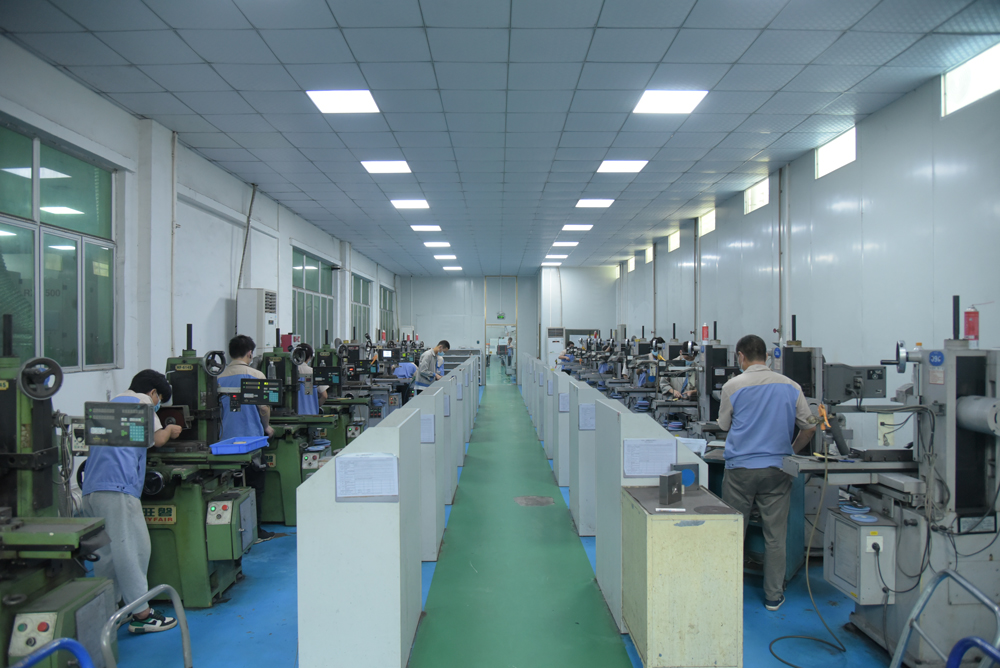
In mold making, quoting is where the real money is won or lost—and it starts with knowing your steel, not just your CAD software. A standard 45# steel mold base for a mid-size plastic part (say, 300×300 mm) will run you roughly $800 to $1,200 in raw material alone, but the real cost driver is cavity steel. For production runs under 100,000 shots, P20 or 718H is the workhorse, offering good machinability at around $2,500 per ton. Once you cross into abrasive materials like glass-filled nylon, you’re looking at H13 or S136, which can push material cost up by 40–60%. The seasoned quoter also factors in heat treatment—hardening and nitriding add $300–$600 per cavity set, depending on size—and that’s before you touch polishing, which for a mirror-finish cavity on a visible automotive part can easily add 15–20% to the total mold cost.
Beyond steel, the geometry and tolerance callouts dictate your machining hours, and this is where many shops underquote. A simple two-plate mold with a single cavity and basic side actions might take 120–180 hours of CNC and EDM work, but a multi-cavity, hot-runner mold with three or more slides can easily hit 600–800 hours. Don’t forget the hidden costs: electrode material and machining for EDM, which typically add 10–15% to the tooling budget, and draft angle analysis—if the part has zero draft on deep ribs, you’re not just adding polish time, you’re risking ejection defects that lead to rework. A practical rule I’ve used for years: take your estimated machining hours, multiply by your shop rate (e.g., $60–$80/hr for standard work), then add 20% for unexpected fit-and-try adjustments. That buffer is not padding; it’s the difference between a profitable job and a loss leader.
Finally, never quote without a clear view of the full lifecycle. Mold maintenance and repair costs are often 30–50% of the initial tool price over a three-year run, so if the customer demands a hard steel like D2 for wear resistance, justify the upfront premium with lower per-part cost. Also, always specify cooling line design in your quote—conformal cooling can cut cycle time by 20–30%, which is a selling point, but it adds $1,500–$3,000 in machining and design time. In today’s market, a quote that ignores these details is a quote that loses money. For more practical mold sourcing and cost breakdowns, visit MoldWorld at www.moldw.com—it’s a solid resource for comparing shop capabilities and getting real-world pricing benchmarks.