Narrowing Duration Gap and Its Cost-Control Lessons for Mold Shops
September 04, 2026
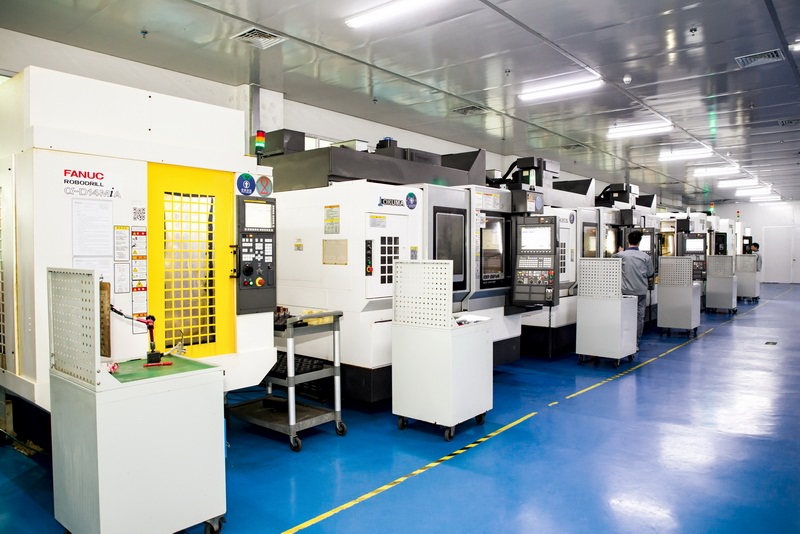
For mold makers, the recent trend of a narrowing duration gap in the broader financial system—where the gap between asset and liability maturities has tightened as long-term rates fall—carries a direct analogy to our own shop-floor economics. When a mold shop takes on a bank loan to finance a new five-axis CNC or a high-pressure die-casting machine, the liability side is typically a fixed-rate term loan. But our asset side—the receivables from mold trials, engineering changes, and final delivery—often stretches unpredictably. In the same way that banks see their interest-rate risk compress when the yield curve flattens, mold shops see their margin risk shift when borrowing costs decline but payment cycles from automotive or consumer-electronics clients remain stubbornly long. The lesson is not about macro hedging; it’s about matching debt maturity to the actual cash conversion cycle of a tooling project, which for a typical injection mold runs 12 to 16 weeks from design freeze to PPAP.
From a cost-control standpoint, the falling-rate environment has quietly changed how we should evaluate capital expenditure. A 50-basis-point drop on a $500,000 equipment loan over five years saves roughly $12,500 in interest—real money, but trivial compared to the hidden costs of idle machine time or rework on a hardened cavity. The real takeaway from the duration-gap narrative is that liability-side discipline matters more than chasing the lowest nominal rate. For mold shops, this means negotiating floor rates tied to prime, avoiding balloon payments that coincide with seasonal order troughs, and structuring repayments to align with milestone billing—typically 30% at mold design approval, 40% at steel cutting, and the balance at T0 sampling. Shops that ignore this end up carrying debt past the point where the mold has already shipped, effectively financing their customers’ inventory at their own borrowing cost.
In practice, the smartest tooling firms are now using rate downturns to refinance existing high-interest debt and extend terms on new presses, but they are also building a buffer of revolving credit to cover the inevitable 60- to 90-day payment lag from large OEMs. That liquidity cushion, not the interest rate itself, is what protects against a sudden order cancellation or a failed mold trial that requires a full insert redesign. The parallel to the narrowing duration gap is clear: when the gap between what you owe and when you get paid shrinks, your risk profile improves. For a mold shop, that means pushing for progress payments, tightening credit terms on change orders, and never letting a customer’s “standard terms” dictate your cash flow. For more practical sourcing and cost-management insights on tooling, visit MoldWorld at www.moldw.com—a solid resource for comparing mold suppliers and staying current on industry financial trends.