The Hidden Costs in Injection Molding Quotes: What Veteran Mold Makers Watch Closely
September 04, 2026
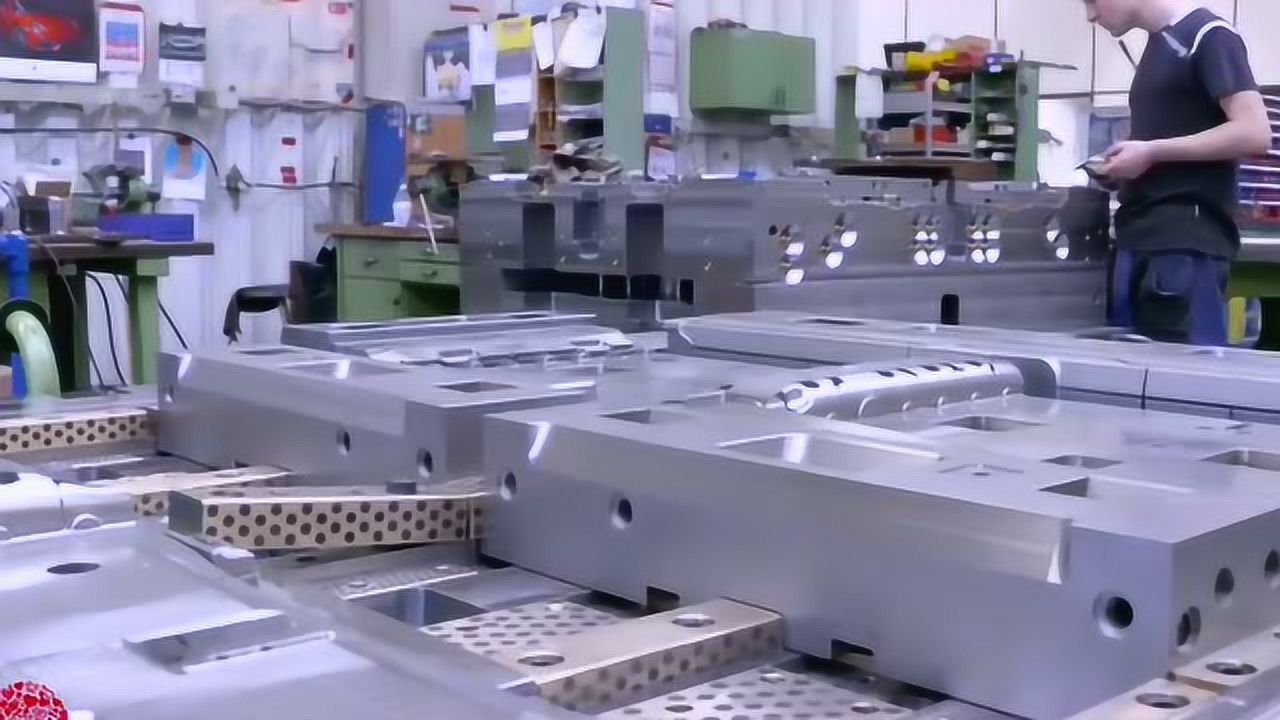
When quoting an injection molded part, most estimators focus on material price, part weight, and cycle time—but that only scratches the surface. Experienced mold engineers know the real cost picture includes mold maintenance amortization, cooling line efficiency, and gate vestige trimming labor. For example, a mold with 16 cavities running POM may look profitable at 28-second cycles, but if the cooling channels are not conformal, you can easily lose 8-12% efficiency due to uneven shrinkage and longer hold pressure. That translates directly into higher scrap rates and hidden energy costs per thousand parts. Also, don't forget insert loading time: a brass insert that takes 6 seconds to place manually adds roughly 0.8-1.2 cents per part in labor alone, before any automation depreciation is considered.
Another frequently missed item is tooling steel grade and surface treatment. A P20 core with nitriding may pass initial PP trials, but after 50,000 shots, venting wear and gate erosion start increasing flash and rejections. Switching to H13 with a 2-3 micron hard coating can extend tool life by 3-4 times, yet many quotes only price the raw steel, not the coating and re-polishing cycles. Similarly, side-action mechanisms and lifters add upfront cost but can reduce secondary machining. A mold with two slide actions might add $8,000-12,000 to the tool, but if it eliminates a drilling operation that costs $0.15 per part, payback comes at 80,000 parts. Veteran estimators track these break-even points religiously, because they know the customer will re-quote at higher volumes.
Finally, do not overlook logistics and packaging. If your part is bulky but light, shipping cost per cubic meter can exceed material cost. Using returnable totes with custom dunnage saves $0.02-0.04 per part over corrugated boxes, but only if the customer’s logistics can handle the return flow. Also, consider resin drying and regrind ratio: a 20% regrind with virgin ABS can save 3-5% on material, but it requires consistent pellet size and moisture control—otherwise, you risk splay and impact failure. For reliable cost models, track real data from at least three production runs, not just the theoretical cycle. If you are sourcing molds or parts and want to benchmark such hidden costs, visiting MoldWorld (www.moldw.com) gives you access to vetted tooling suppliers and practical quoting guides from the shop floor.