Plastic Molding Processes: 20 Core Methods from Injection to Thermoforming
September 01, 2026
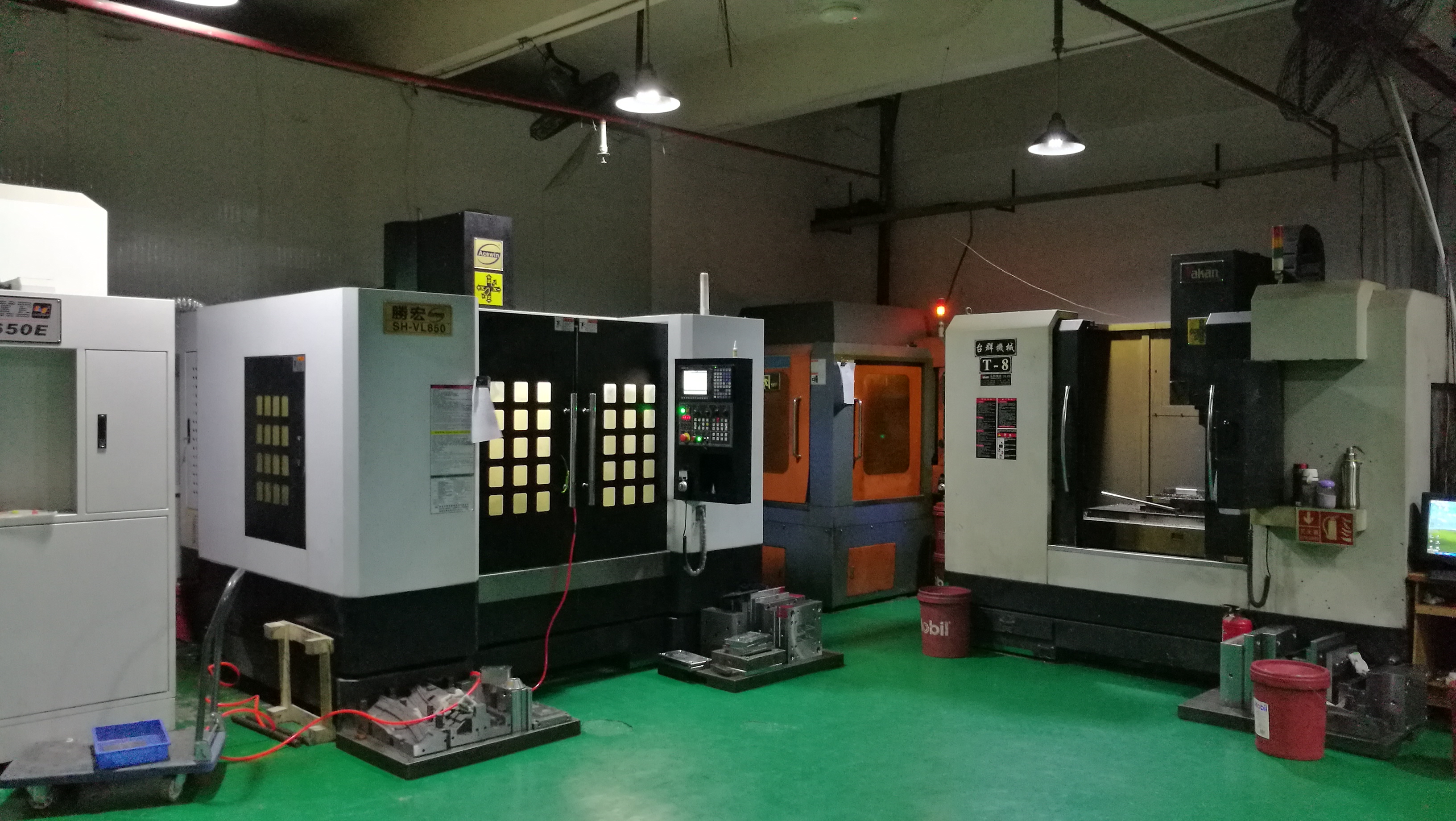
When a mold shop receives a new RFQ, the first question is rarely "which plastic?"—it's "which process?" Over the past decade, we've seen the full spectrum: injection molding for high-volume precision parts, blow molding for hollow containers, and thermoforming for large, low-pressure panels. Out of the 20 core methods, injection molding still dominates roughly 70% of our production volume, mainly due to its repeatability and surface finish capabilities. But don't overlook rotational molding for large, stress-free tanks, or compression molding for thermoset composites where fiber orientation matters. Each process imposes different constraints on draft angles, wall thickness uniformity, and gate placement—so quoting without a clear process definition is like shooting in the dark.
From a tooling perspective, the cost spread is dramatic. A typical injection mold for a 200mm part runs $15k–$60k depending on cavity count and steel grade, while a thermoforming mold might be only $4k–$12k because it uses aluminum or even 3D-printed tooling. However, thermoforming cycle times are 3–5 minutes versus 20–40 seconds for injection, which flips the economics for anything over 50,000 parts. For structural foam molding, the nitrogen-gas assisted process can cut sink marks but adds a secondary gas-injection unit—about 15% higher machine hourly rate. And for overmolding, we always warn clients about bond-line strength testing, especially with TPE over rigid substrates; it's not just about the tool, it's about the melt temperature window.
In practice, the smartest approach is to evaluate the part geometry against the process envelope before committing to a quote. For example, deep ribs and bosses favor injection, while uniform-wall, shallow parts with undercuts are better suited to vacuum forming. Also, remember that secondary operations—like trimming, ultrasonic welding, or pad printing—often add 20–30% to the piece price, so factor that into your cost model. If you're sourcing molds overseas, always request a mold flow analysis report and a trial-run sample with CMM data. For a deeper dive into process selection and real-world mold pricing benchmarks, visit MoldWorld (www.moldw.com) for more mold sourcing info.