Title: DMC2026 Closes in Shanghai: Mold Industry's Digital Shift Takes Center Stage
September 01, 2026 · Source: www.cdmia.com.cn
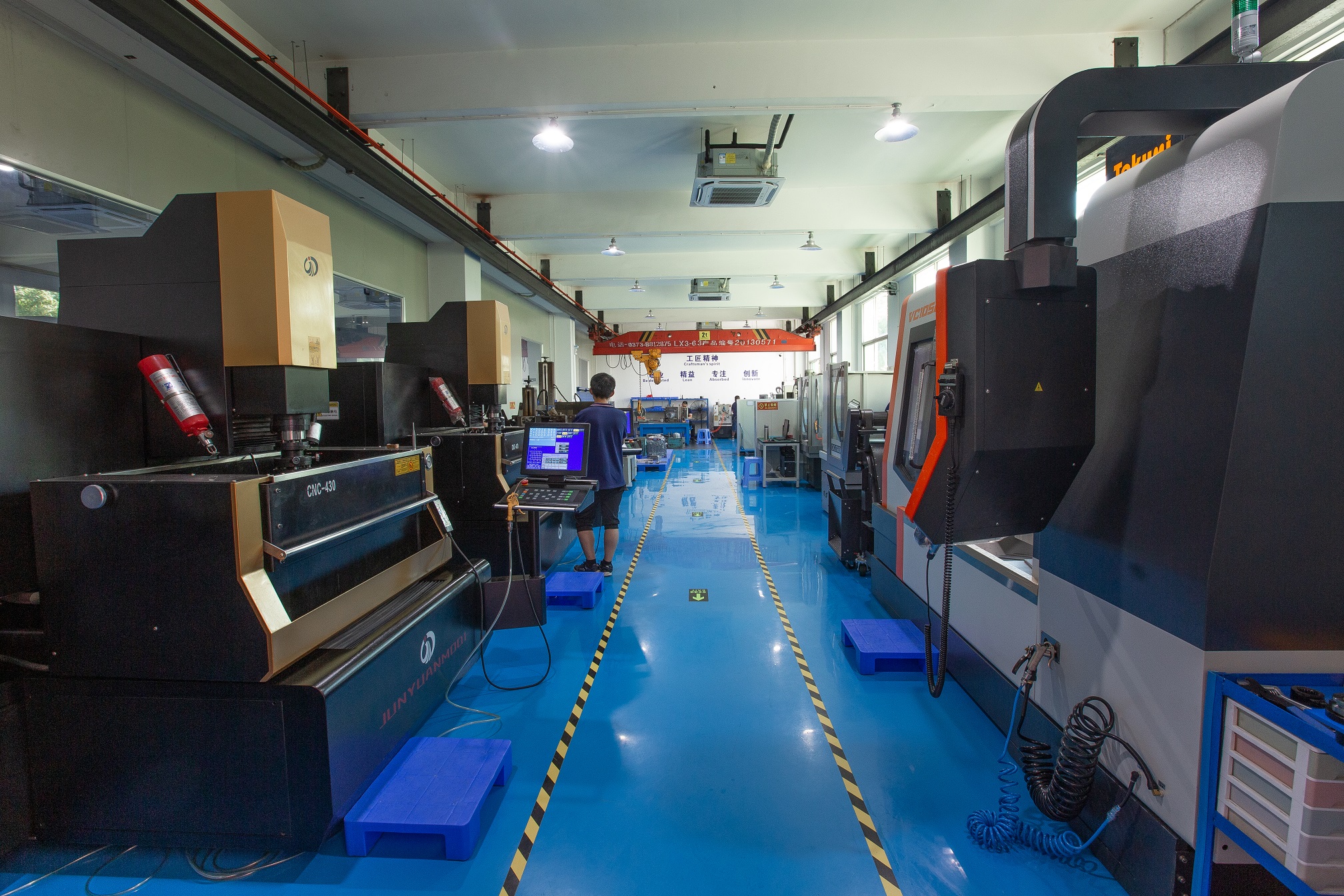
The 25th China International Mold Technology and Equipment Exhibition (DMC2026) wrapped up on July 4 at the National Exhibition and Convention Center in Shanghai, closing a four-day run that pulled in 45,500 professional visitors, including buyers from 39 countries. This year's theme, "Discover the Essence of Manufacturing, Shape the Future of Forming," set the tone for a show that was less about flashy launches and more about hard-core process capability. The mold sector, concentrated in Hall 4.1H, featured around 300 exhibitors—from plastic and die-casting molds to stamping dies—with digital twin, AI-driven sensing, and smart manufacturing technologies threaded through every stage from design to delivery. Domestic heavyweights like FAW Mold, Tianjin Motor Dies, Xingda, and Xiaoya showcased ultra-precision machining and long-life wear-resistant materials, while international names in equipment and materials, including Makino, Mitsubishi Electric, and Sodick, shared floor space with Chinese players like Jingdiao and Guosheng, highlighting a supply chain that's maturing fast.
The real story here isn't just the machinery—it's the shifting center of gravity. For the first time in its 40-plus-year history, the ISTMA World Congress was held in China, running alongside DMC2026. That's a signal, not a footnote. As global automakers and electronics giants like Toyota, Bosch, and Siemens sent procurement teams for VVIP matchmaking sessions, the message was clear: China's mold industry is no longer just a low-cost workshop; it's becoming a hub for high-complexity tooling and digital manufacturing know-how. The parallel events—covering heat treatment, additive manufacturing, and low-carbon mobility—also underscored a broader trend: mold-making is increasingly interwoven with adjacent sectors, from EV production to embodied intelligence, pushing the boundaries of what "forming" means in a post-industrial age.
Yet, the numbers tell a nuanced tale. While foreign visitors from 39 countries marked a strong international draw, the domestic presence—31 provincial and municipal mold associations—shows an industry consolidating around regional clusters. The emphasis on standard parts and collaborative procurement suggests a push toward modularization, a response to shrinking product lifecycles and rising cost pressure. With DMC2027 already slated for Shanghai, the industry's trajectory is clear: it's not about raw output anymore, but about precision, digital integration, and the ability to deliver complex molds faster than the competition. For those of us in the trenches, the takeaway is simple—adapt to the digital thread or get left behind.