Mold Cost Estimation: Core Knowledge Every Mold Engineer Must Master
September 01, 2026
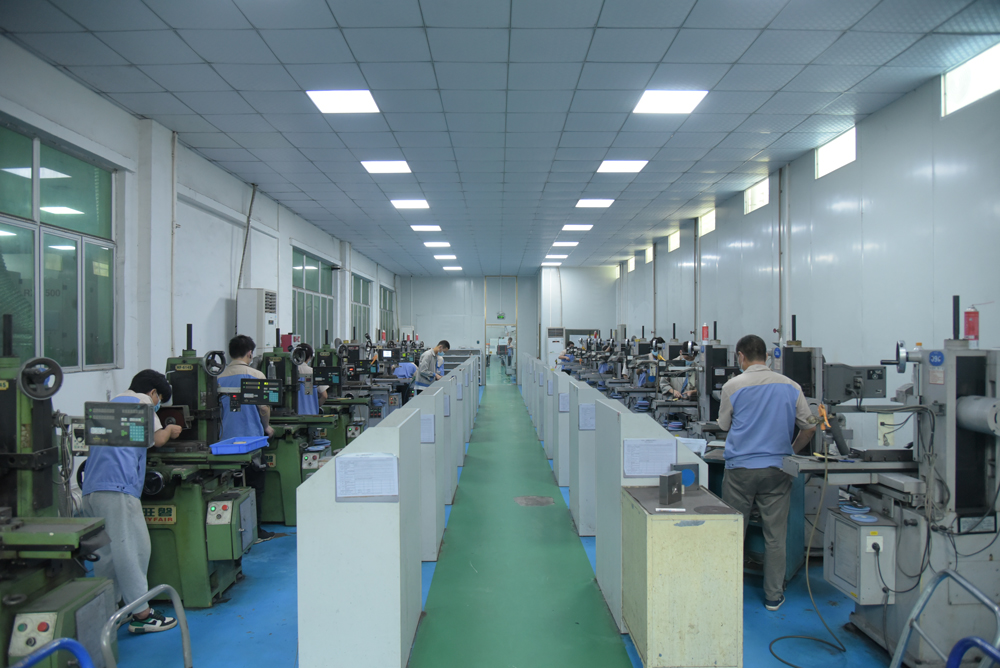
Understanding mold classification is the first step toward accurate quoting. In the industry, molds are typically divided by structure—two-plate, three-plate, and side-action designs—and by material, such as P20, H13, or S136 for cavities and cores. Each choice directly affects machining time, heat treatment cost, and expected lifespan. For example, a standard two-plate mold for a small plastic part might run 150,000 shots with P20, but upgrading to H13 with nitriding can push that to 500,000 shots, which justifies a higher upfront price. A mold engineer must also factor in gate type, cooling channel layout, and ejection system complexity, since these drive both cycle time and maintenance frequency. Ignoring these variables at the quoting stage often leads to cost overruns or unrealistic delivery promises.
When preparing a quote, the real numbers come from material volume, CNC and EDM hours, standard component sourcing, and assembly/tryout time. A typical 200x200x250 mm mold base in 45# steel may cost around $800–$1,200, while the same size in S136 could double that figure. Machining hours are calculated from surface area and feature depth—a deep rib with a high aspect ratio can triple EDM time compared to a flat cavity. Don’t forget the hidden costs: polishing, texture (e.g., VDI 18 or SPI B1), and pre-shipment sampling. A good rule of thumb is to add 10–15% contingency for engineering changes and tooling trials. Many shops also apply a multiplier of 2.5–3.5x on direct manufacturing costs to cover overhead, design, and profit, but this varies with shop load and customer relationship.
Finally, a professional quote is not just a price—it’s a technical proposal. You should specify mold steel grade, expected hardness after heat treatment, estimated cycle time, and warranty terms (typically 1 year or 300,000 shots). Clear communication on lead time, payment terms (e.g., 30% deposit, 70% before shipment), and revision policy prevents disputes later. For buyers, comparing quotes without these details is like comparing apples to oranges. If you’re sourcing molds or need a reliable partner, visiting MoldWorld (www.moldw.com) gives you access to vetted suppliers and practical sourcing guides that help you make informed decisions.