Mold Fundamentals: From Classification to Quoting – The Hard Skills Every Mold Professional Must Master
August 31, 2026
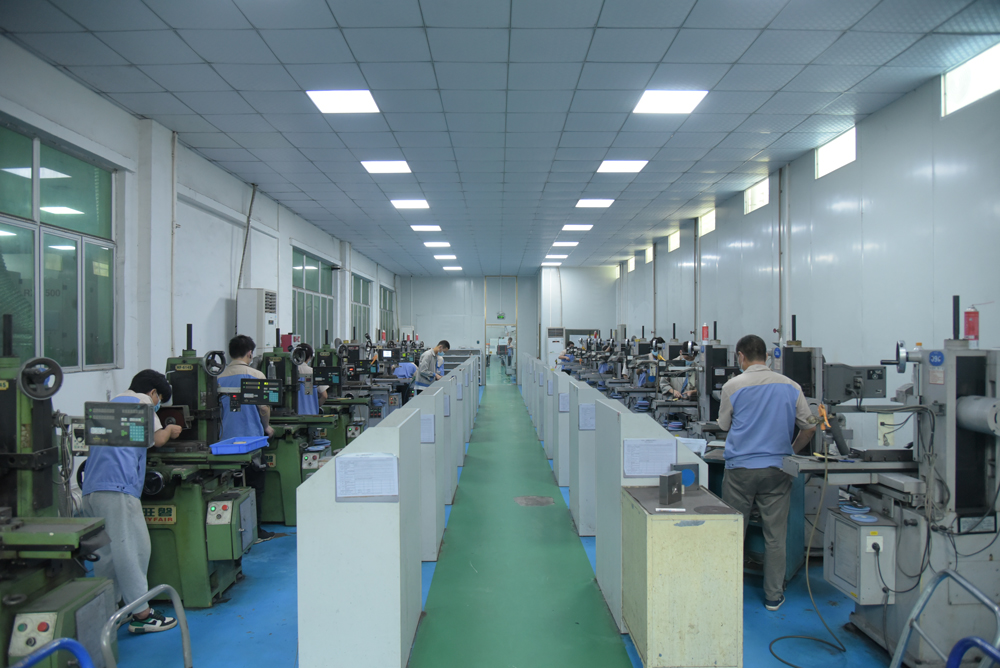
In the mold industry, getting the basics right is the difference between a profitable job and a costly rework. First, classification: molds are typically divided into two major families—plastic injection molds and die-casting molds—with further subcategories like two-plate, three-plate, hot-runner, and insert molds. Each type directly affects cycle time, tool life, and maintenance cost. For example, a standard two-plate mold for a mid-sized automotive bracket might run 300,000 shots before requiring major service, while a hot-runner system can push that to 500,000+ but adds 15–20% upfront tooling cost. Material selection is equally critical: P20 for low-volume prototyping, H13 or S136 for high-wear applications, and pre-hardened 718H for general production. A common mistake is specifying S136 for every job “to be safe”—that inflates the quote by 10–12% without adding real value for low-cavity runs.
Quoting is where theory meets the shop floor. A reliable quote must start with a detailed DFM (Design for Manufacturability) review, not just a CAD file glance. Key cost drivers include: mold base size (e.g., 3535 vs. 4545), number of cavities (1×1 vs. 2×2), side actions or lifters, cooling channel complexity, and surface finish (SPI A2 vs. B1). Real data from recent jobs: a 2-cavity mold for a 120g PP housing with 4 side actions and mirror polish came in at $28,500, with a lead time of 6 weeks. A similar 1-cavity mold without side actions was $14,200 and 4 weeks. The rule of thumb—mold cost per cavity drops roughly 30–35% when going from 1 to 2 cavities, but only if the part geometry allows balanced filling. Ignoring gate location or weld line position during quoting often leads to 5–8% cost overruns in trial and correction cycles.
For mold buyers and engineers alike, the practical takeaway is to always request a breakdown of steel cost, machining hours, standard parts, and assembly/trial time—not just a lump sum. That transparency helps negotiate and also flags unrealistic quotes. Also, remember that a lower quote often means thinner steel or cheaper guide pins, which shortens tool life and increases downtime. A balanced approach: target a mold that meets your annual volume with a 20% safety margin, and budget for at least one design revision. For more mold sourcing guidance, real case studies, and supplier comparisons, visit MoldWorld at www.moldw.com—a practical resource for anyone serious about getting tooling right the first time.