Title: Seven Points Mold, Three Points Injection: The Real Balance in Plastic Part Manufacturing
August 31, 2026
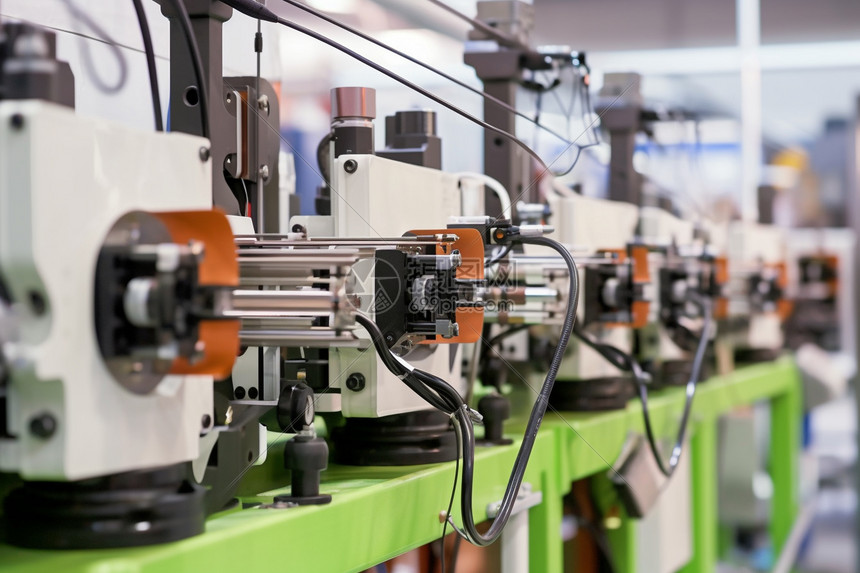
In everyday injection molding, success is rarely about the tonnage of the press. It is the coordinated interplay of material, machine, mold, and process—what we call the “four-word mantra.” But too many shops fixate on machine size while ignoring the mold’s outsized influence on final cost and part quality. In practice, even minor fluctuations in melt temperature, pressure, or flow velocity—caused by high-speed screw shear—leave visible marks on the part surface. A well-designed mold, with its gate position, runner cross-section, and cooling channel layout, determines more than 70% of process stability before the press ever cycles. That is why our shop floor lives by the rule: seven points mold, three points injection.
Consider a typical thin-wall housing. If the gate is poorly placed, flow hesitation creates weld lines or sink marks that no process tweak can fully erase. The runner cross-section must balance pressure drop against shear heating; too narrow and you risk degradation, too wide and you waste material and cycle time. Cooling channels are equally critical—uneven cooling leads to warpage and longer cycle times, directly eating into profit margins. We have seen parts where simply relocating a cooling line from 8 mm to 12 mm from the cavity surface cut cycle time by 15% and reduced reject rates by half. These are not theoretical gains; they are measurable on the floor.
For mold engineers, the takeaway is straightforward: invest early in simulation and mold flow analysis, not just in machine upgrades. A robust mold design with balanced fill, efficient cooling, and proper venting will forgive minor process drift, while a marginal mold will amplify every variation. When quoting a new job, always factor mold quality into the piece price—it is the difference between a stable production run and a constant firefight. For more practical insights on mold design, sourcing, and troubleshooting, visit MoldWorld at www.moldw.com—a solid resource for connecting with experienced toolmakers and getting real answers for your next project.