Title: Practical Costing and Mold Design Essentials for Injection Molded Parts
August 31, 2026
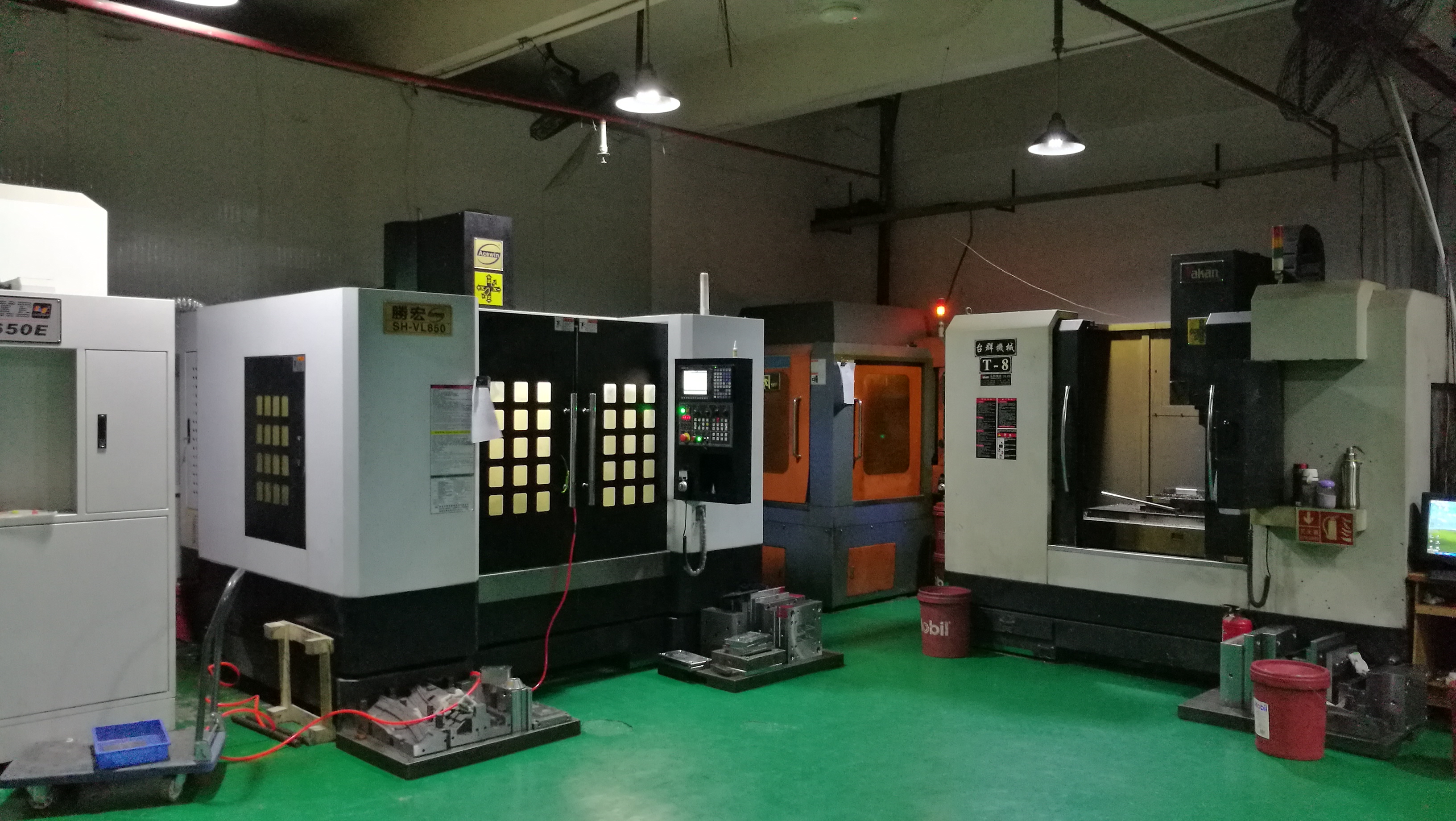
Injection molding cost estimation is rarely a pure math exercise—it’s a negotiation between part geometry, mold life, and cycle time. From our shop floor experience, the first rule is to separate fixed mold costs from variable per-part costs. A typical 2-cavity family mold for a 50-gram PP housing runs between $18,000 and $26,000, depending on side actions and polish grade. But the real cost driver is cycle time: a 25-second cycle at $85/hour machine rate adds $0.59 per part, while dropping to 18 seconds by adding a hot runner (costing $4,200 extra) saves $0.16 per part—payback in under 30,000 shots. Always quote with a cycle time breakdown, not just a lump sum.
Mold design directly dictates these numbers. For example, using P20 steel for a 100,000-shot run is false economy if the part has deep ribs or unsupported cores—H13 or S136 with 48–52 HRC will hold tolerance and reduce flash, but adds 12–15% mold cost. Similarly, gate location and cooling line layout affect warp and sink marks, which drive reject rates. In our experience, a conformal cooling channel design reduces cooling time by 20–30% versus straight-drilled lines, but requires a DMLS insert—adding $1,500–$2,500 to mold cost. For a 1.2mm wall thickness part, that investment often pays back within 50,000 cycles due to lower part cost and fewer rejects.
Finally, never forget the hidden costs: mold tryout runs (typically 200–500 shots), material drying, and regrind ratio. A 15% regrind with ABS can reduce material cost by 8%, but only if the mold design allows consistent melt flow—otherwise you get streaking and strength loss. For accurate quoting, always include a 5–7% scrap allowance and a 2–3% maintenance reserve. When in doubt, benchmark your mold design against similar parts you’ve built—experience beats guesswork. For more mold sourcing and cost-engineering insights, visit MoldWorld at www.moldw.com.