Mold Costing Basics: What Every Mold Engineer Should Know Before Quoting
August 28, 2026
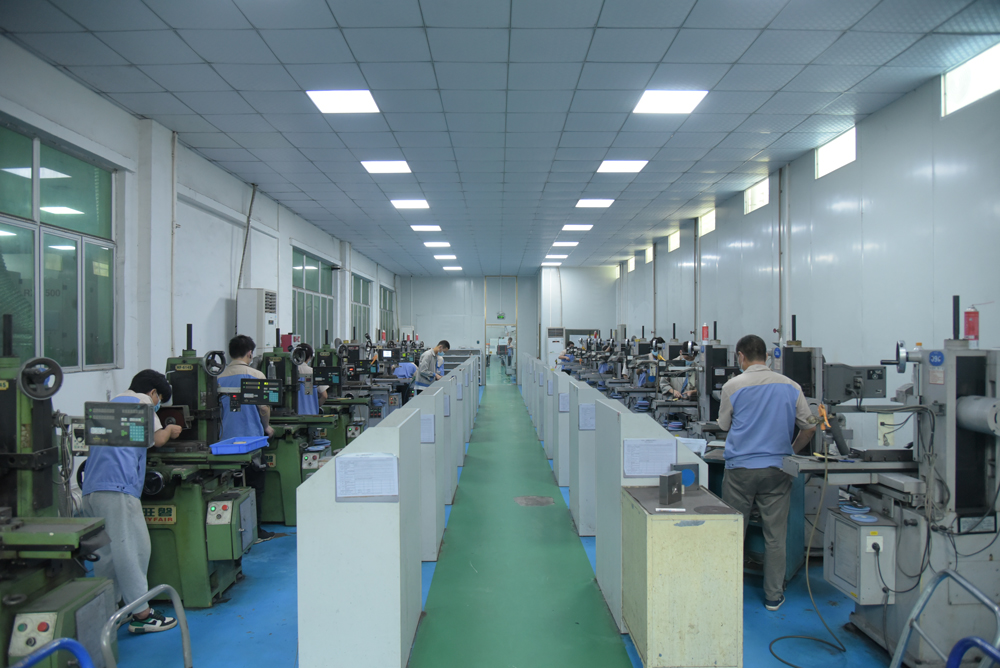
In the mold industry, the first rule of quoting is understanding what you are actually pricing. A mold is not a single product but a system of interdependent decisions—steel grade, cavity count, hot runner vs. cold runner, and expected life cycle. For example, a standard 1x2 cold runner mold for a simple bracket may run 8,000–12,000 USD, while the same part with a hot runner, hardened tool steel (e.g., S136 or 8407), and a 500,000-shot life requirement can easily double that figure. The key is to separate the mold base cost (typically 20–30% of total) from machining, heat treatment, and assembly labor. Many junior engineers quote based on part volume alone, which is a fast track to losing money on complex side actions or tight tolerances.
Classification matters more than most realize. In our shop, we sort molds into three tiers: prototype (up to 5,000 shots, P20 or 718H), production (50,000–200,000 shots, pre-hardened 2738 or NAK80), and high-volume (over 500,000 shots, full hardened H13 or S7 with nitriding). Each tier changes the quoting logic—not just steel cost, but also the number of cooling circuits, ejector pin placement, and the need for interchangeable inserts. A common mistake is quoting a production mold when the customer actually needs a high-volume tool, then facing premature wear and warranty claims. Always ask for the annual volume and expected part tolerance before putting a number on paper. That single question saves more rework than any DFM review.
Finally, do not forget the hidden costs: trial shots, mold tryout press time, and shipping of samples. A realistic quote should include 5–10% contingency for steel shrinkage or electrode wear, and a clear payment schedule tied to milestones (30% deposit, 40% at steel cutting, 30% at T1). If you are sourcing molds from overseas, factor in communication lag and potential steel certification delays. The best way to avoid surprises is to benchmark your quote against actual shop rates—not just per-hour cost, but also the machine utilization rate. For a deeper dive into mold pricing structures, material selection, and real-world case studies, visit MoldWorld (www.moldw.com) for verified sourcing data and supplier comparisons.